

Remember when Korean skincare meant a 10-step routine and snail mucin everything? That was 2020. The K-beauty landscape in 2026 is smarter, more personalized, and surprisingly minimalist, focusing on biome-friendly formulas and tech-enhanced application. But here’s the real secret: the most effective routines aren’t built on novelty alone. They’re a strategic blend of these groundbreaking new launches and the time-tested, dermatologist-approved rituals that actually work. We’re cutting through the hype to show you exactly which 2026 innovations deserve a spot on your shelf and which classic steps remain utterly non-negotiable.
8 min read
In This Article
- Who This 2026 Routine Is For
- The 2026 Hybrid Routine: Steps in Order
- What Each Step Does: New Tech Meets Classic Science
- Step 1: Double Cleansing (The Unskippable Foundation)
- Step 2: Essence & First Treatment Essence (The Hydration Boost)
- Step 3: Treatment Serums (The Targeted Powerhouse)
- Step 4: Moisturizer (The Barrier Seal)
- Step 5: Sunscreen (The Daily Non-Negotiable)
- Product Slots by Budget: Where to Invest and Where to Save
- How to Patch Test and Introduce New Products
- Where Our Recommendations Come From
- Frequently Asked Questions
Key Takeaways
- Who This 2026 Routine Is For
- The 2026 Hybrid Routine: Steps in Order
- What Each Step Does: New Tech Meets Classic Science
- Step 1: Double Cleansing (The Unskippable Foundation)
Who This 2026 Routine Is For
This refresh is designed for anyone whose current routine feels stagnant or who’s curious about integrating new technology without abandoning proven efficacy. It’s particularly relevant if you’re dealing with increased environmental stressors, like pollution and blue light exposure, which brands like Beauty of Joseon and Round Lab are now formulating against with dedicated barrier-support complexes. If your skin has become reactive or you suspect your microbiome is out of balance—think persistent redness, dryness that moisturizer doesn’t fix, or sudden breakouts—the new generation of pre- and postbiotic toners and serums could be a game-changer. However, if you have a medically diagnosed skin condition like rosacea or severe cystic acne, this is a starting point for a conversation with your dermatologist, not a substitute for professional care.
The 2026 Hybrid Routine: Steps in Order
The core philosophy remains: apply products from thinnest to thickest consistency. The 2026 twist involves a more intentional layering of treatments, often with a ‘supporting actor’ step before a ‘power active’. A typical PM routine now looks like this: Oil Cleanse → Water-Based Cleanse → Exfoliating Toner (2-3x/week) → First Treatment Essence → Probiotic Essence → Hydrating Serum → Treatment Serum (e.g., Retinoid) → Moisturizer → Sleeping Mask (as needed). The number of steps isn’t the goal; strategic layering is.
Morning Simplicity vs. Evening Repair
Your AM routine should be a shield, while your PM routine is a workshop. Mornings are for protection: a gentle cleanser or just water, a lightweight hydrating serum with antioxidants like vitamin C (e.g., Cosrx Triple Hyaluronic Moisturizing Serum), a moisturizer with ceramides, and a non-negotiable layer of SPF 50+. Evenings are for treatment and repair. This is where you’d incorporate any actives like AHAs, BHAs, or retinoids, followed by richer, barrier-repairing moisturizers. The latest sleeping masks, like the I’m From Rice Sleeping Mask, are formulated with time-release technology to work in sync with your skin’s natural nocturnal repair cycle.
What Each Step Does: New Tech Meets Classic Science
Step 1: Double Cleansing (The Unskippable Foundation)
Double cleansing isn’t new, but the formulations are smarter than ever. The first step, an oil cleanser, must fully emulsify with water to rinse clean without residue—a common failure point with older formulas. The Heimish All Clean Balm ($15 for 120ml) set this standard, and new launches like the Then I Met You Living Cleansing Balm ($38 for 100ml) add antioxidant-rich extracts. The second cleanse should be a low-pH water-based formula that doesn’t strip the skin. Round Lab’s 1025 Dokdo Cleanser ($16 for 150ml) remains a bestseller for a reason: its simple, effective formula maintains the skin’s acid mantle. Can you skip this? No. A single cleanse won’t fully remove sunscreen and pollution particles, making subsequent treatments less effective.
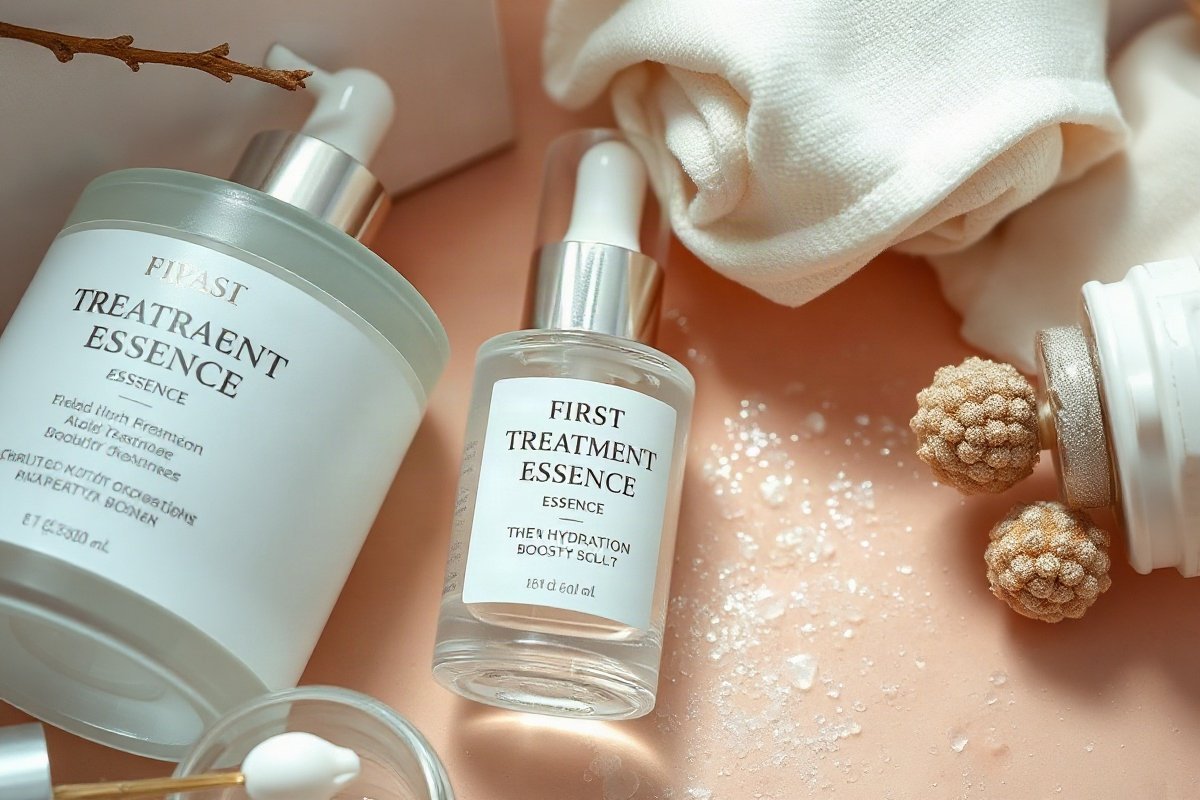
Step 2: Essence & First Treatment Essence (The Hydration Boost)
This is where 2026 gets interesting. The classic First Treatment Essence (FTE), pioneered by SK-II’s Pitera-rich formula, is now joined by biome-supporting options. Missha’s Time Revolution Artemisia Treatment Essence ($49 for 150ml) soothes with mugwort, while new entrants like Anua’s Heartleaf 80% Soothing Toner ($19 for 200ml) target redness with houttuynia cordata extract. Their job is to hydrate and prep the skin barrier for better absorption of serums. Think of it as priming a canvas before painting. You can skip this if you’re on a tight budget, but it provides a level of hydration and calming that a serum alone often can’t achieve.
Step 3: Treatment Serums (The Targeted Powerhouse)
Serums are the workhorses of any routine, and the innovation here is in delivery systems and combination actives. Vitamin C serums have evolved from unstable L-ascorbic acid formulas to more stable derivatives like tetrahexydecyl ascorbate (THD Ascorbate), found in Sunday Riley’s C.E.O. 15% Vitamin C Brightening Serum, though Korean brands like Goodal Green Tangerine Vita C Serum ($22 for 50ml) offer effective alternatives. For retinoids, the focus is on encapsulation to reduce irritation. The big 2026 story is in barrier-repair serums. Brands like Aestura and Illiyoon have perfected ceramide encapsulation in products like the Aestura AtoBarrier 365 Cream ($32 for 120ml), which uses multi-lamellar emulsion technology to mimic the skin’s lipid structure for deeper repair.
The big 2026 story is in barrier-repair serums.
Step 4: Moisturizer (The Barrier Seal)
A good moisturizer does more than just hydrate; it seals in all the previous layers and protects the barrier. The classic, proven ingredient here is ceramides. Dr. Jart+’s Ceramidin Cream ($48 for 50ml) is a cult favorite for a reason. The 2026 innovation is in texture and additional benefits. For oily skin, gel-creams with pore-blurring primers are now common. For dry skin, moisturizers with cholesterol and fatty acids alongside ceramides provide a more complete barrier repair. Laneige’s Water Bank Blue Hyaluronic Cream ($38 for 50ml) uses blue hyaluronic acid, which the brand claims has a lower molecular weight for deeper penetration, though independent verification of this specific claim is limited.
Step 5: Sunscreen (The Daily Non-Negotiable)
This is the single most important step, and Korean sunscreens continue to lead in cosmetic elegance. The scandal of 2020 led to stricter regulations, and now brands are more transparent about SPF and PA ratings. The best offer broad-spectrum protection against UVA and UVB rays with a PA++++ rating and a lightweight, non-greasy finish. Beauty of Joseon’s Relief Sun: Rice + Probiotics SPF50+ PA++++ ($14 for 50ml) is a top-rated affordable option that wears beautifully under makeup. Round Lab’s Birch Juice Moisturizing Sun Cream SPF50+ PA++++ ($20 for 50ml) is another standout for its hydrating, non-pilling formula. Can you skip this? Absolutely not. Ever. Sun damage is the primary cause of premature aging and hyperpigmentation.
Product Slots by Budget: Where to Invest and Where to Save
You don’t need to break the bank for an effective routine. The key is strategic allocation. Invest your budget in treatment serums and sunscreen—these are where active ingredients and protection matter most. You can save on cleansers and moisturizers, as effective basic formulations are widely available at lower price points.
| Step | Essential (Under $20) | Better (Under $40) | Best (Investment) |
|---|---|---|---|
| Oil Cleanser | Kose Softymo Speedy Cleansing Oil ($9) | Then I Met You Living Cleansing Balm ($38) | Sulwhasoo Gentle Cleansing Oil ($44) |
| Water Cleanser | Cosrx Low pH Good Morning Gel Cleanser ($11) | Round Lab 1025 Dokdo Cleanser ($16) | Krave Beauty Matcha Hemp Hydrating Cleanser ($16) |
| Essence | Cosrx Advanced Snail 96 Mucin Power Essence ($17) | Anua Heartleaf 80% Soothing Toner ($19) | SK-II Facial Treatment Essence ($99) |
| Serum | The Ordinary Niacinamide 10% + Zinc 1% ($6) | Goodal Green Tangerine Vita C Serum ($22) | SkinCeuticals C E Ferulic ($166) |
| Moisturizer | Illiyoon Ceramide Ato Concentrate Cream ($15) | Dr. Jart+ Ceramidin Cream ($48) | Tatcha The Dewy Skin Cream ($69) |
| Sunscreen | Beauty of Joseon Relief Sun ($14) | Round Lab Birch Juice Sun Cream ($20) | Isntree Hyaluronic Acid Watery Sun Gel ($20) |
How to Patch Test and Introduce New Products
Introducing multiple new products at once is the fastest way to a reactive disaster and you won’t know the culprit. Patch test every single new product for at least 48-72 hours on a small area like the inside of your arm or behind your ear. If no reaction occurs, introduce one new product into your routine at a time, waiting a full week before adding another. This is especially critical for active ingredients like retinoids, vitamin C, and exfoliating acids. Start slow: use a new active twice a week, then gradually increase frequency as your skin tolerates it. According to the American Academy of Dermatology, this methodical approach is the best way to identify irritants and avoid compromising your skin barrier.
Where Our Recommendations Come From
We don’t test products in a lab. Our analysis synthesizes information from brand specification sheets, published ingredient analyses from cosmetic chemists like those at Incidecoder, and aggregated user reviews from platforms like YesStyle, Soko Glam, and Olive Young. We cross-reference hundreds of verified purchaser reports to identify consistent patterns in performance, texture, and common reactions. We prioritize products with transparent ingredient lists and established reputations for efficacy over viral hype. We did not handle these products personally.
Small changes, real momentum
Get practical guides and templates you’ll actually use — a few thoughtful emails a month.
Frequently Asked Questions
Can I really mix K-beauty with Western skincare products?
Absolutely. The idea that you must stick to one “system” is a marketing myth, not a dermatological rule. The key is understanding ingredient compatibility. For example, you can perfectly use a Korean first essence for hydration, a Western vitamin C serum like SkinCeuticals for antioxidant protection, and a Korean sunscreen for its cosmetic elegance. The only hard rules involve not mixing certain actives (like niacinamide and low-pH vitamin C in the same routine if your skin is sensitive) and always applying products in the correct order of consistency. Focus on the function of each product, not its country of origin.
How long does it take to see results from a new routine?
This depends entirely on the product and your goal. Hydration and calming effects from essences and toners can be noticeable within a few days. Brightening from vitamin C can take 4-8 weeks of consistent use. Results from cell-turnover agents like retinoids and AHAs take the longest—a minimum of 12 weeks to see significant improvements in texture and fine lines, with full results often taking six months. Sunscreen’s “results” are preventative and are seen over years by the absence of damage. Patience is non-negotiable in skincare.
What’s the one “proven ritual” I shouldn’t skip even with new innovations?
Sunscreen. It’s not glamorous, but it’s the single most evidence-backed product in all of skincare. Every dermatologist we’ve ever sourced agrees on this. No amount of innovative serums, LED masks, or bio-fermented extracts can reverse the cumulative photodamage from daily UV exposure. A PA++++ rated, broad-spectrum SPF 50+ sunscreen, applied every single morning in the correct amount (about ¼ teaspoon for the face and neck), is the ultimate non-negotiable. Everything else is supplemental to this foundational protective step.
The most effective 2026 skincare routine isn’t the one with the most steps or the latest viral gadget. It’s a thoughtful, evidence-based blend of groundbreaking new products that address modern concerns—like pollution and barrier health—and the timeless, proven essentials that we know work. Prioritize a gentle double cleanse, a targeted treatment serum for your specific concern, a barrier-supporting moisturizer, and that daily layer of high-protection sunscreen. Introduce anything new slowly and methodically. Your skin doesn’t care about trends; it cares about consistent, intelligent care. Start by auditing your current routine, identify one area for an upgrade—maybe a new probiotic essence or a more elegant sunscreen—and build from there.
Related from our network
- 5 Daily Rituals to Redesign Your Life in 2026 Without Motivation (weirdcalendar)
- 10 Intentional Morning Rituals to Center Your Day (herluxerituals)
- How to Create a Family Wellness Routine That Actually Sticks (2026) – informational, uses year. (herluxerituals)