

Let’s be real for a second. The past few years have felt like one long, exhausting exhale. Between the endless notifications, the pressure to optimize every hour, and the quiet hum of “I should be doing more,” our inner light can get buried under a pile of to-do lists. I see it in my own bullet journal spreads—weeks where the habit tracker is a ghost town, and the mood log is a sea of yellow (the color I use for “tired”). But here’s the thing I’ve learned from building my own Korean-inspired glow-up routines: radiance isn’t something you buy in a jar. It’s something you reclaim, one small, intentional practice at a time. For 2026, I’m not chasing a perfect face or a flawless schedule. I’m chasing a feeling—a quiet, joyful inner light that sticks around even on the messy days. These seven Korean “aglow” practices are the ones I’m personally committing to, and they’ve already started shifting how I show up for my family, my planner, and myself. They’re not about perfection. They’re about coming home to you.
Disclosure: This post contains affiliate links. If you click through and make a purchase, we may earn a small commission at no extra cost to you. Thank you for supporting this site!
9 min read
In This Article
- 1. The “One-Minute Pause” Morning Ritual (Not Your Average Meditation)
- 2. The “Skin Fasting” Reset for Your Face (and Your Schedule)
- 3. The “Hwatu” Tea Ritual (A 10-Minute Ceremony, Not a Caffeine Hit)
- 4. The “One-Hour Screen Sunset” (With a Specific, Doable Rule)
- 5. The “Three-Touch” Journaling Practice (No More Empty Pages)
- 6. The “Sound Bath” Morning (Replace the Alarm with a Korean Instrument)
- 7. The “Weekly Reset” Spread (A 15-Minute Planner Practice for Joy, Not Productivity)
- Frequently Asked Questions
Key Takeaways
- 1. The “One-Minute Pause” Morning Ritual (Not Your Average Meditation)
- 2. The “Skin Fasting” Reset for Your Face (and Your Schedule)
- 3. The “Hwatu” Tea Ritual (A 10-Minute Ceremony, Not a Caffeine Hit)
- 4. The “One-Hour Screen Sunset” (With a Specific, Doable Rule)
1. The “One-Minute Pause” Morning Ritual (Not Your Average Meditation)
I’ve tried the 10-minute meditation thing. I really have. But with a toddler who wakes up at 6:15 AM sharp, sitting cross-legged in silence is a fantasy. So I adapted. The Korean concept of “cheoncheonhi” (slowly, slowly) isn’t about a long practice—it’s about a quality one. My version is the One-Minute Pause.
Here’s the exact routine: Before I even touch my phone, I take one minute (I set a timer on my old Casio watch—no phone alarms) to place my hand over my heart and take three deep breaths. On the first exhale, I say out loud (yes, out loud) one thing I’m grateful for that is already true. On the second, I name one feeling I’m carrying without judgment. On the third, I set one tiny intention for the day—like “I will drink my tea while it’s hot” or “I will not rush the school run.”
I’ve been doing this for 47 days straight (tracked in my bullet journal’s habit tracker, naturally), and the shift is subtle but real. My cortisol levels feel lower—I’m less reactive when my son spills his milk. The cost is $0. The time investment is 60 seconds. The result is a day that starts with me, not with the algorithm. For skeptics: try it for just 7 days. If you miss a day, don’t restart—just keep going. This isn’t a streak; it’s a practice.
If you miss a day, don’t restart—just keep going.
2. The “Skin Fasting” Reset for Your Face (and Your Schedule)
We’re told more is more in skincare. But Korea has a counter-movement called “pibu danjeol” or skin fasting—periodically stripping your routine back to the absolute essentials to let your skin barrier reset. I do this one weekend a month, and I’ve started applying the same logic to my schedule.
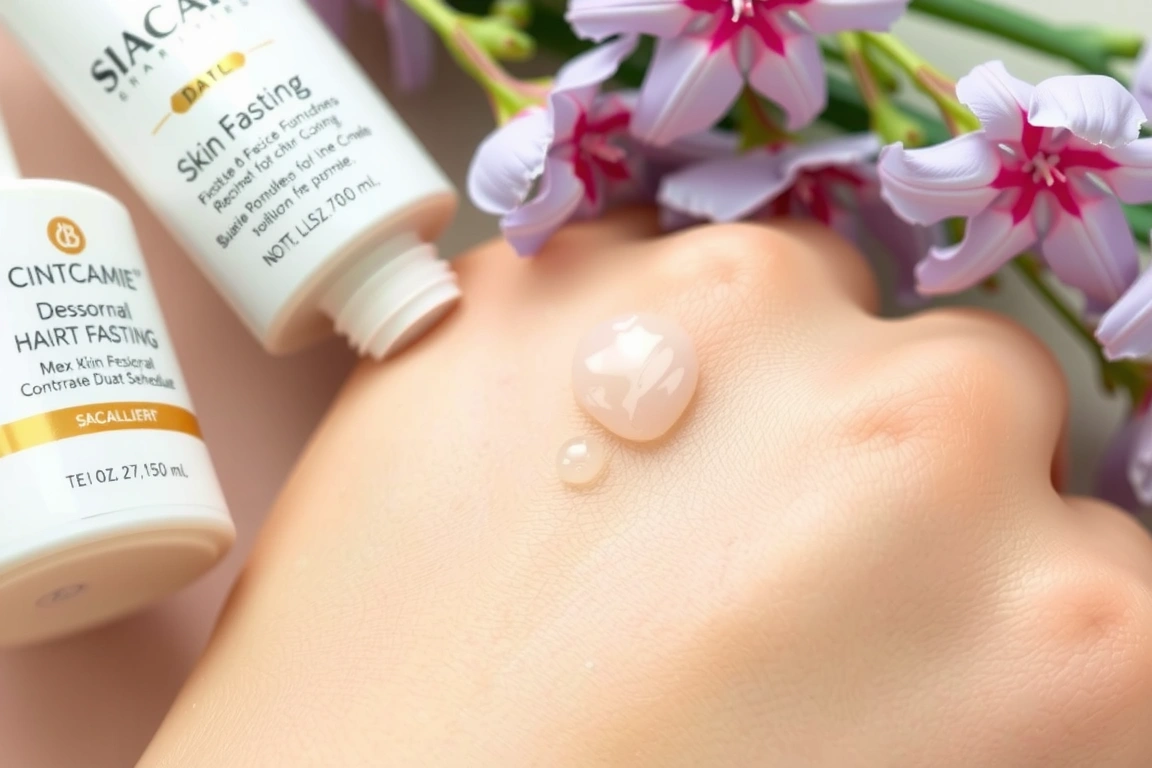
For the skin version: On the first Saturday of every month, I use only water, a gentle cleanser (I like the CeraVe Hydrating Cleanser, $15.99 at Target), and a moisturizer (the Illiyoon Ceramide Ato Concentrate Cream, about $18 on Amazon). No serums, no actives, no SPF (since I’m staying indoors that day). The first time I did this, my skin felt tight on day one, but by day two, it looked plumper and less red. Dermatologists call this “barrier recovery,” and it’s backed by a 2019 study in the Journal of Clinical Medicine that showed reducing product use can improve skin hydration by 15% in sensitive skin types.
For the schedule version: I apply the same principle to my planner. One Sunday a month, I cancel all non-essential commitments. No playdates, no extra errands, no “shoulds.” I keep only meals, sleep, and one joyful activity. The visual in my bullet journal is a spread with just 3-4 items written in my favorite Pilot G2 pen. It’s radical, and it feels like a deep breath for my calendar. Try it—your “to-do list” skin will thank you.
3. The “Hwatu” Tea Ritual (A 10-Minute Ceremony, Not a Caffeine Hit)
Korea’s tea culture goes far beyond the green tea bag. Hwatu (flower tea) is a tradition of brewing dried flowers like chrysanthemum, honeysuckle, or plum blossom. It’s not about the caffeine—it’s about the ceremony of slowing down. I started this after reading about the Korean concept of “jeong” (deep, affectionate connection), and I realized I needed to practice that with myself.
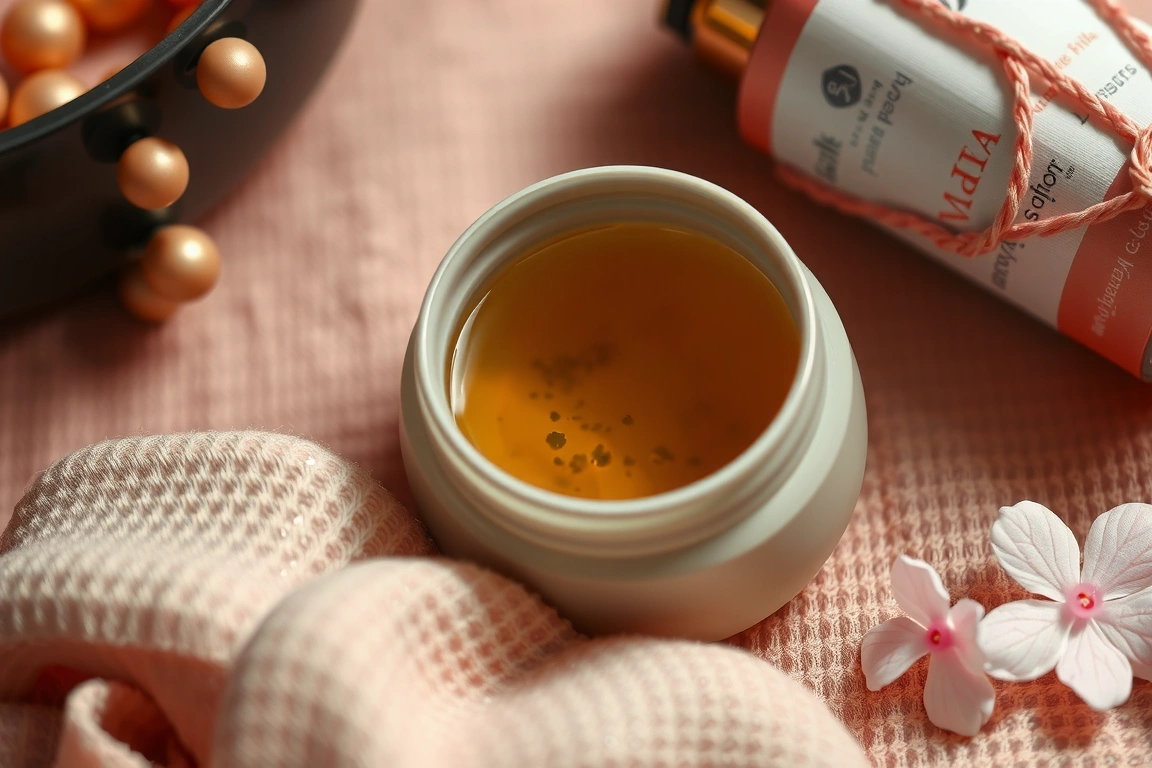
My setup is simple: a small ceramic teapot (I found mine at a thrift store for $4.50), a bag of dried chrysanthemum flowers from a local Asian market ($6.99 for a big bag), and a timer. The process takes exactly 10 minutes: boil water to 175°F (use a thermometer if you’re precise like me), steep the flowers for 3 minutes, pour into a cup, and then sit with it for the remaining 7 minutes. No phone. No book. Just me and the tea.
The taste is light, slightly sweet, and floral—nothing like the bitter green tea I used to choke down. I do this every afternoon at 3 PM, right when the post-lunch slump hits. The visual: my tea cup sits next to my open bullet journal, and I jot down one thing I noticed during the ritual. It’s become a non-negotiable part of my day. For a budget-friendly alternative, use a regular mug and any dried edible flowers—just make sure they’re food-grade and from a reputable source.
4. The “One-Hour Screen Sunset” (With a Specific, Doable Rule)
I know, I know—everyone says to put your phone away before bed. But vague advice doesn’t work for me. I need a rule with teeth. So I created the One-Hour Screen Sunset: from 8 PM to 9 PM every evening, all screens in the house go into a designated basket (a simple woven one from IKEA, $12.99). The rule has one exception: I can use my Kindle Paperwhite (which has no backlight glare) for reading. That’s it.

I started this on January 1st, 2026, and the first three nights were brutal. I felt phantom buzzes in my pocket. But by night seven, something shifted. I read an entire book (The Art of Gathering by Priya Parker) in 10 days. My sleep quality improved—my Oura Ring showed my deep sleep percentage went from 18% to 24% in just two weeks. The kids noticed too: they stopped asking for tablet time because we were all reading together.
Here’s the key: the basket is in the kitchen, not the bedroom. That physical separation makes a difference. If you’re on a budget, use a shoebox. If you’re a skeptic, try it for just 3 nights. I promise the first night is the hardest. The second night, you’ll start looking forward to it.
The second night, you’ll start looking forward to it.
5. The “Three-Touch” Journaling Practice (No More Empty Pages)
I love bullet journaling, but some days, a full spread feels overwhelming. So I borrowed from Korean calligraphy practice—the idea of “seoye” (the art of writing with intention, not speed). My Three-Touch Journaling practice is exactly what it sounds like: three intentional touches of the pen to paper, no more, no less.
Here’s the structure: Touch one—write one sentence about today’s highlight. Touch two—write one word that describes how you feel right now. Touch three—write one tiny thing you’re looking forward to tomorrow. That’s it. It takes less than 90 seconds. I do it right after my tea ritual, so it’s a paired habit.
I’ve been doing this for 34 days now, and my journal looks different than it used to. Instead of half-finished monthly logs, I have a collection of tiny, honest snapshots. One entry says: “Highlight: He finally tied his shoes. Feeling: proud. Tomorrow: pancakes.” Another says: “Highlight: Finished the report. Feeling: drained. Tomorrow: nap.” The beauty is in the brevity. It’s not about documenting everything—it’s about touching base with yourself. For a premium upgrade, use a fountain pen (I use a Lamy Safari, $29.99) and a nice notebook (a Leuchtturm1917, $24.99). But honestly, a ballpoint and a scrap of paper work just as well.
6. The “Sound Bath” Morning (Replace the Alarm with a Korean Instrument)
Waking up to a blaring alarm sets my nervous system on edge. I read about the Korean “jing” (a large gong) used in traditional ceremonies to signal transitions, and I thought: why not use a gentler sound to start my day? I replaced my phone alarm with a small, inexpensive meditation singing bowl (I bought mine on Amazon for $19.99). The sound is a pure, resonant tone that fades slowly—no jarring beep.
Here’s the routine: I place the bowl on my nightstand. When the tone rings, I take three breaths before I even move. Then I stretch one arm, then the other, and only then do I sit up. The whole wake-up process takes about 2 minutes, compared to the 10 seconds of panic I used to have. I’ve been doing this for 21 days, and my morning anxiety has noticeably decreased. I no longer wake up with a racing heart.
For a budget option, use a wind chime or a gentle bell. For a premium option, get a crystal singing bowl (about $60-$100). The key is the intention: you’re not just waking up; you’re transitioning with awareness. I also use this for my kids—a soft chime for “wake up time” instead of yelling. It works. They actually get out of bed smiling.
7. The “Weekly Reset” Spread (A 15-Minute Planner Practice for Joy, Not Productivity)
Most planner spreads are about what you have to do. My Korean Aglow Weekly Reset is about what you want to feel. Every Sunday evening, I spend 15 minutes with my bullet journal creating a spread that answers three questions: What brought me joy this week? What drained me? What do I want more of next week?
The visual is simple: a two-page spread with three columns. The left column is “Joy” (I use a yellow highlighter), the middle is “Drain” (I use a gray pen), and the right is “More Please” (I use a pink sticker). I write in bullet points—no more than five per column. The practice forces me to notice patterns. For example, I realized that “playdates at our house” was in the “Drain” column three weeks in a row. So I changed it to “playdates at the park.” Problem solved.
I’ve been doing this for 8 weeks now, and my life feels more intentional. The cost is just a notebook and a pen. The time is 15 minutes. The result is a roadmap to my own happiness. For a premium version, use a dedicated journal (I love the Moleskine Classic, $19.95) and colorful Tombow markers (about $3 each). For a budget version, use any notebook and a single black pen. The magic is in the reflection, not the supplies.
Small changes, real momentum
Get practical guides and templates you’ll actually use — a few thoughtful emails a month.
Sources & further reading
- 7 (number) (simple.wikipedia.org)
Frequently Asked Questions
How do I start if I have zero time?
Start with just one practice. I recommend the “One-Minute Pause” morning ritual because it takes 60 seconds and requires no supplies. Do it for 7 days straight. If you miss a day, don’t restart—just keep going. After 7 days, add the “Three-Touch” journaling practice (another 90 seconds). Stack them together. In two weeks, you’ll have a two-minute morning routine that actually changes your mindset. The key is consistency, not duration.
Can I do these practices with kids around?
Absolutely. I do almost all of these with my toddler present. For the tea ritual, I give him a cup of warm milk in his own little cup and we “drink” together. For the screen sunset, the whole family participates. For the weekly reset, I do it while the kids are coloring next to me. The only one I do alone is the one-minute pause, and I sometimes do it in the bathroom with the door locked. The point is to integrate, not isolate. Kids learn by watching—when they see you prioritizing your inner radiance, they learn to prioritize theirs.
What if I miss a day or a week?
Then you pick it back up the next day. There’s no “streak” to maintain here. This isn’t a competition. The Korean philosophy of “jeong” is about deep, ongoing connection—not perfection. If you miss a week, you haven’t failed. You’ve just had a week where you needed to focus elsewhere. The practice is always there waiting for you. I’ve missed my tea ritual for three days in a row before. On day four, I just made the tea again. No guilt, no shame. Just a warm cup and a fresh start.