

What if the secret to glowing skin isn’t a single miracle product, but a completely different philosophy of living? Rather than battling wrinkles and zits with layers of products, the Korean approach views skincare as a form of self-care – a daily ritual of nourishment rather than correction. It’s about building sustainable habits that support your skin’s long-term health, not chasing a fleeting trend. The result is a radiance that comes from within, as seen in the consistent popularity of K-beauty worldwide. We’ll explore the foundational lifestyle principles that make it work, from dietary choices to mindset shifts that anyone can adopt.
7 min read
In This Article
- More Than Skincare: The Foundation of Whole-Picture Beauty
- The Real “Glass Skin” Diet: What to Eat (and Avoid)
- The Mind-Body Connection: Stress Management as Skincare
- Building Your Authentic Routine: The Steps That Matter Most
- Product Selection: Investing Wisely for Your Skin Type
- Beyond the Bathroom: Incorporating Movement and Rest
- Common Pitfalls and How to Avoid Them
- Frequently Asked Questions
Key Takeaways
- More Than Skincare: The Foundation of Whole-Picture Beauty
- The Real “Glass Skin” Diet: What to Eat (and Avoid)
- The Mind-Body Connection: Stress Management as Skincare
- Building Your Authentic Routine: The Steps That Matter Most
More Than Skincare: The Foundation of Whole-Picture Beauty
To achieve radiant skin, you need to stop thinking of it as separate from the rest of your body. In Korea, beauty is deeply connected to Traditional Korean Medicine (Hanbang), which emphasizes balance. Your skin reflects your internal health, so stress, dehydration, and poor eating habits can be just as damaging as any topical imperfection. That’s why many Korean beauty products contain fermented ingredients like galactomyces and bifida, which support the skin’s microbiome and resilience. Brands like Sulwhasoo have built their identity on Hanbang principles, using ginseng and other herbs to restore internal balance. This preventative approach requires patience but promises lasting results.
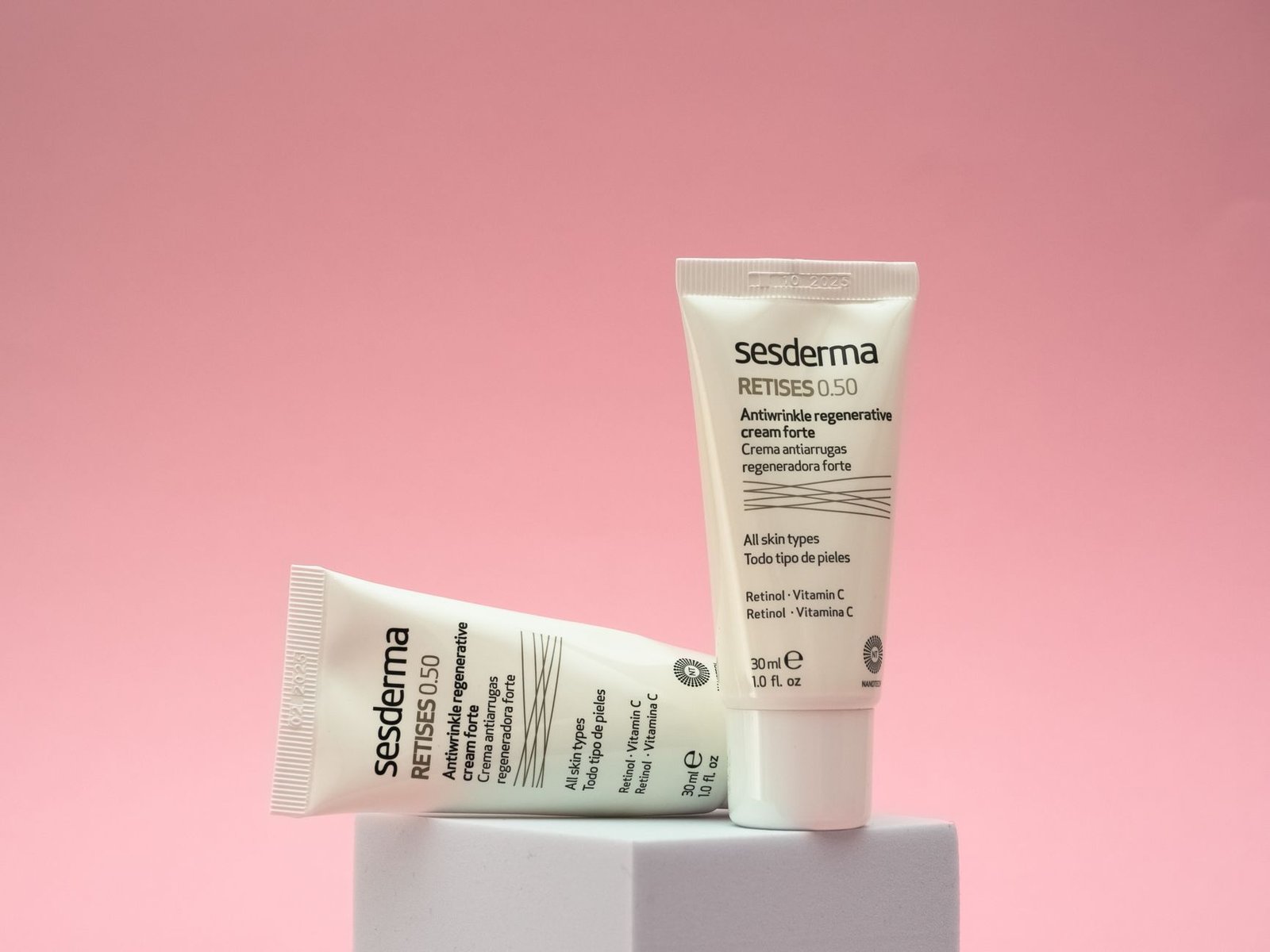
This preventative approach requires patience but promises lasting results.
The Real “Glass Skin” Diet: What to Eat (and Avoid)
You can’t talk about Korean beauty without addressing diet. The pursuit of “glass skin”. That translucent, dewy complexion—is heavily supported by specific nutritional choices. The base is fermentation. A 2021 review in the journal Microorganisms highlighted the link between a healthy gut microbiome, fueled by fermented foods, and reduced skin inflammation. This is why kimchi, doenjang (soybean paste), and makgeolli (rice wine) aren’t just culinary staples. They’re considered beauty foods. The typical Korean diet is also rich in vegetables, lean proteins, and low in processed sugars and dairy, which are often linked to inflammation and breakouts in susceptible individuals. A concrete example is starting your day with a bowl of rice porridge (juk) with vegetables instead of a sugar-laden cereal. It’s not about deprivation, but about choosing nutrient-dense foods that actively support skin health.
Three Key Dietary Shifts
- Embrace Fermented Foods: Incorporate a small serving of kimchi or drink a probiotic beverage like kombucha daily to support gut health, which is directly linked to skin clarity.
- Hydrate with Purpose: Beyond drinking water, consume hydrating foods like watermelon, cucumbers, and Korean pear. It’s common to see people carrying insulatory tumblers of traditional drinks like sujeonggwa (persimmon punch) or omija tea for all-day hydration.
- Reduce Inflammatory Triggers: Pay attention to how your skin reacts to dairy and refined sugar. For many, cutting back on these can lead to a noticeable reduction in redness and breakouts within a few weeks.
The Mind-Body Connection: Stress Management as Skincare
Chronic stress elevates cortisol levels, which can break down collagen, impair the skin barrier, and trigger inflammation. Korean lifestyle habits often incorporate subtle, daily stress-management techniques. The skincare routine itself is a form of active meditation. The gentle patting motion used to apply products (a technique called “skin slapping”) is believed to boost circulation and lymphatic drainage. Beyond the bathroom, practices like forest bathing (a concept known as Sanlimyok in Korea) are popular. A study published in the International Journal of Environmental Research and Public Health found that spending time in forests can reduce cortisol levels. This isn’t about a week-long retreat. It’s about a 20-minute walk in a park without your phone. The goal is to integrate small moments of calm into your day to prevent stress from manifesting on your skin.
Building Your Authentic Routine: The Steps That Matter Most
Let’s translate these principles into a practical daily routine. Forget the intimidating 10-step count. Focus on the philosophy behind the steps. The core tenets are double-cleansing, layering hydration, and diligent sun protection. A basic, effective routine can be built in just four steps: an oil-based cleanser, a water-based cleanser, a hydrating toner or essence, and a moisturizer with SPF for the day (or a richer one for night). The magic isn’t in the number of products but in the consistency and technique. For example, spending a full minute massaging in your oil cleanser dissolves makeup and sunscreen and provides a gentle facial massage that can reduce puffiness.
Morning vs. Evening: The Key Differences
Your morning routine should be about protection and prep. It can be minimalist: a gentle water-based cleanser or just a splash of water, followed by a light hydrating layer and a solid sunscreen. The evening is when repair happens. This is when you double-cleanse to remove the day’s grime, use treatment-focused products like serums with niacinamide or retinoids, and seal everything in with a nourishing moisturizer. The most common mistake we see is using the same heavy routine day and night, which can lead to clogged pores and a greasy feel under makeup.
The most common mistake we see is using the same heavy routine day and night, which can lead to clogged pores and a greasy feel under makeup.
Product Selection: Investing Wisely for Your Skin Type
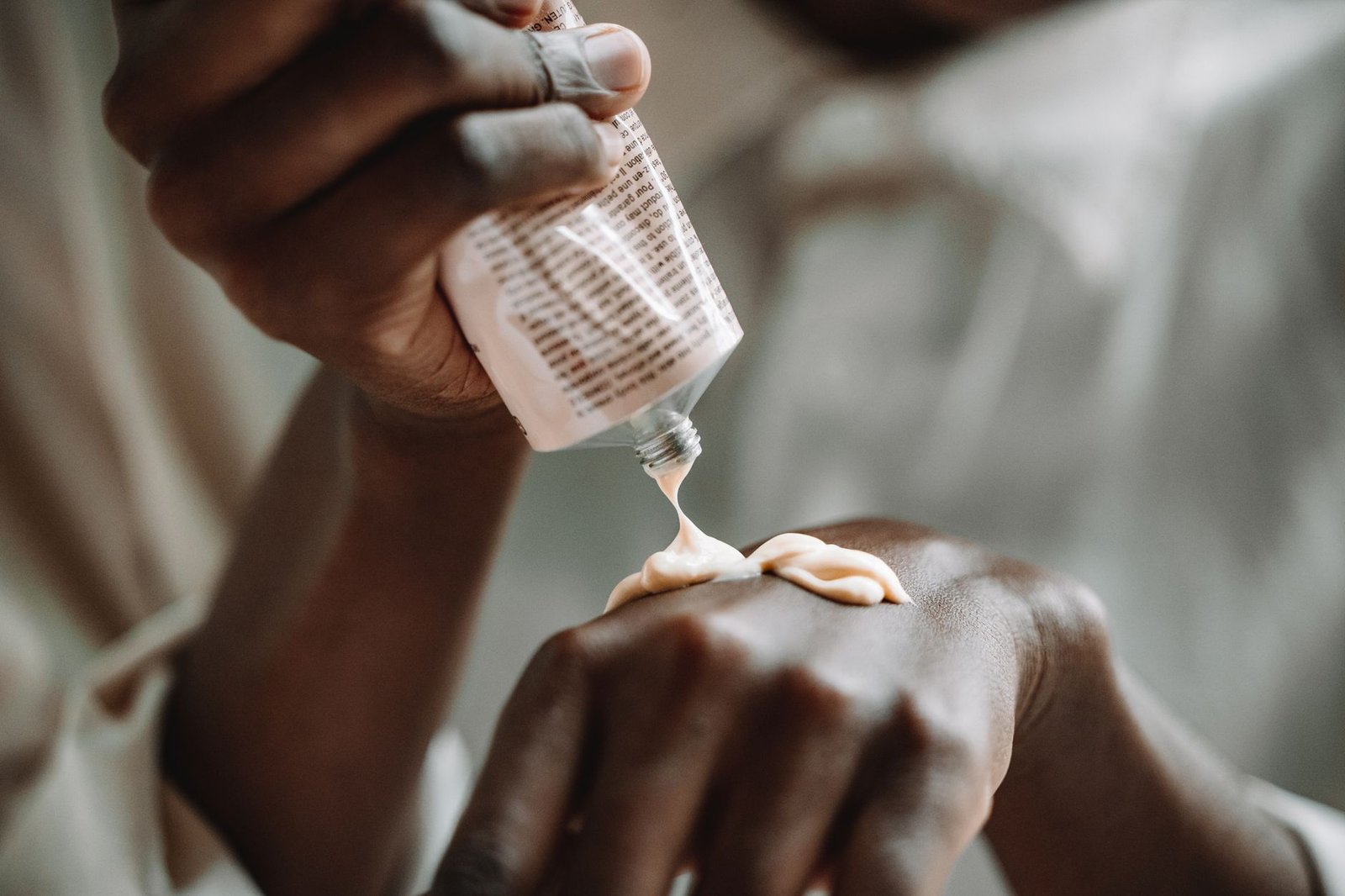
You don’t need to spend a fortune, but you should spend wisely. The general rule is to invest most in the products that stay on your skin the longest: serums and moisturizers. Cleansers, which are rinsed off, are where you can easily save. For a beginner with combination skin, a great starter kit might include Heimish All Clean Balm ($19 for 120ml) as a first cleanser, Cosrx Low pH Good Morning Gel Cleanser ($11) as a second, and Beauty of Joseon Relief Sunscreen ($14) for daily protection. For a more intensive hydration boost, a product like Laneige Cream Skin Refiner ($33) combines the steps of toner and moisturizer into one layer. The key is to introduce one new product at a time and patch-test for at least a week to see how your skin responds.
Beyond the Bathroom: Incorporating Movement and Rest
Radiance is also a product of good circulation and restful sleep. While intense exercise is great, even gentle movement like a daily walk or stretching can make a difference. In Korea, practices like regular hiking are a national pastime, promoting both cardiovascular health and stress relief. Sleep is non-negotiable. It’s when your skin undergoes its most intensive repair. A 2020 study in the Journal of Clinical Sleep Medicine found that poor sleep quality was correlated with increased signs of intrinsic aging. Creating a bedtime ritual. Perhaps involving a calming cup of barley tea and avoiding screens an hour before bed—can improve sleep quality and, by extension, your complexion.
Common Pitfalls and How to Avoid Them
The biggest mistake is impatience. Introducing too many new products at once is a surefire way to irritate your skin and make it impossible to identify what’s working. We recommend a two-week minimum between introducing new items. Another pitfall is over-exfoliation. While exfoliating acids like AHA and BHA are fantastic, using them daily can strip your skin barrier. Limit chemical exfoliants to 2-3 times per week. Finally, don’t neglect your neck and décolletage. These areas show age just as quickly as your face but are often forgotten in daily routines. Extend your skincare products down to your chest to ensure an even, radiant appearance.
Transforming your routine isn’t about a complete overhaul overnight. It’s about adopting a few key principles: nourish your body with whole foods and hydration, protect your skin diligently from the sun, manage stress through small daily habits, and approach your skincare as a mindful ritual rather than a chore. The authentic Korean secret to lasting radiance is consistency and a whole-picture perspective. Start with one change. Perhaps committing to double-cleansing every night or adding a daily probiotic—and build from there. The glow you achieve will be a direct result of the consistent care you invest, not a temporary fix from a single product.
Small changes, real momentum
Get practical guides and templates you’ll actually use — a few thoughtful emails a month.
Frequently Asked Questions
How long does it take to see results from a Korean beauty lifestyle?
You might notice an initial improvement in hydration and texture within two to four weeks of consistent routine and dietary changes. However, more significant results, like fading hyperpigmentation or strengthening your skin barrier, typically take three to six months of dedication. Skin cell turnover cycles are roughly 28 days, so you need to be patient and stick with the program. Don’t get discouraged if you don’t see a dramatic change immediately. The focus is on long-term health.
Can I follow these principles if I have sensitive skin?
Absolutely. The gentle, hydrating focus of the Korean beauty philosophy is often ideal for sensitive skin. The key is to choose products formulated for sensitivity, avoiding high concentrations of essential oils, alcohol, and fragrance. Brands like Soon Jung from Etude House and Purito are specifically designed with minimal ingredient lists to minimize irritation. Always patch-test a new product on your inner arm or behind your ear for a week before applying it to your entire face.
Is the 10-step routine necessary, or is it just a marketing gimmick?
The 10-step routine is more of a framework than a strict rule. It illustrates the concept of layering multiple, light textures of hydration. For most people, a simplified routine of 4-6 steps (double cleanse, tone, treat, moisturize, protect) is perfectly sufficient. The number of steps is less important than understanding the purpose of each one and customizing the routine to address your specific skin concerns and the amount of time you have available.
Related from our network
- The Complete Luxury At-Home Spa Routine: 5 Rituals for Glowing Skin (herluxerituals)
- Elevate Your Mornings: A Luxury Skincare Routine That Actually Works (herluxerituals)
- Crafting Your Daily Luxury Skincare Ritual for Lasting Results (herluxerituals)