

You’ve seen the bottles. Snail slime, green goo, and a vitamin that sounds like a chemistry exam. Three ingredients—snail mucin, centella asiatica, and niacinamide—dominate every K-beauty shelf. They’re not trends. They’re workhorses. But here’s the thing most articles won’t tell you: they don’t work equally for everyone, and stacking them wrong can waste your money. These three ingredients span the full price range, from $6 toners to $65 serums. This is the no-fluff breakdown of what each actually does, where they overlap, and how to combine them without turning your face into a science experiment.
7 min read
In This Article
- Snail Mucin: The Regenerator That’s Not Just Slime
- Centella Asiatica: The Anti-Inflammatory That Actually Calms
- Niacinamide: The Multitasker That Earns Its Hype
- How to Layer Snail Mucin, Centella, and Niacinamide Together
- Budget Tiers: What to Buy at Each Price Point
- Patch Testing and Introducing: The 14-Day Rule
- When These Ingredients Don’t Work (And What to Use Instead)
- Frequently Asked Questions
- The Bottom Line: Pick One, Master It, Then Stack
Key Takeaways
- Snail Mucin: The Regenerator That’s Not Just Slime
- Centella Asiatica: The Anti-Inflammatory That Actually Calms
- Niacinamide: The Multitasker That Earns Its Hype
- How to Layer Snail Mucin, Centella, and Niacinamide Together
Snail Mucin: The Regenerator That’s Not Just Slime
Snail mucin is the filtered secretion from Cornu aspersum snails. It’s not snail slime scooped off a garden wall—it’s collected in controlled environments after the snails are gently stimulated. The result is a complex fluid containing glycoproteins, hyaluronic acid, glycolic acid, zinc, and copper peptides. That combination does one thing exceptionally well: it signals your skin to repair itself.
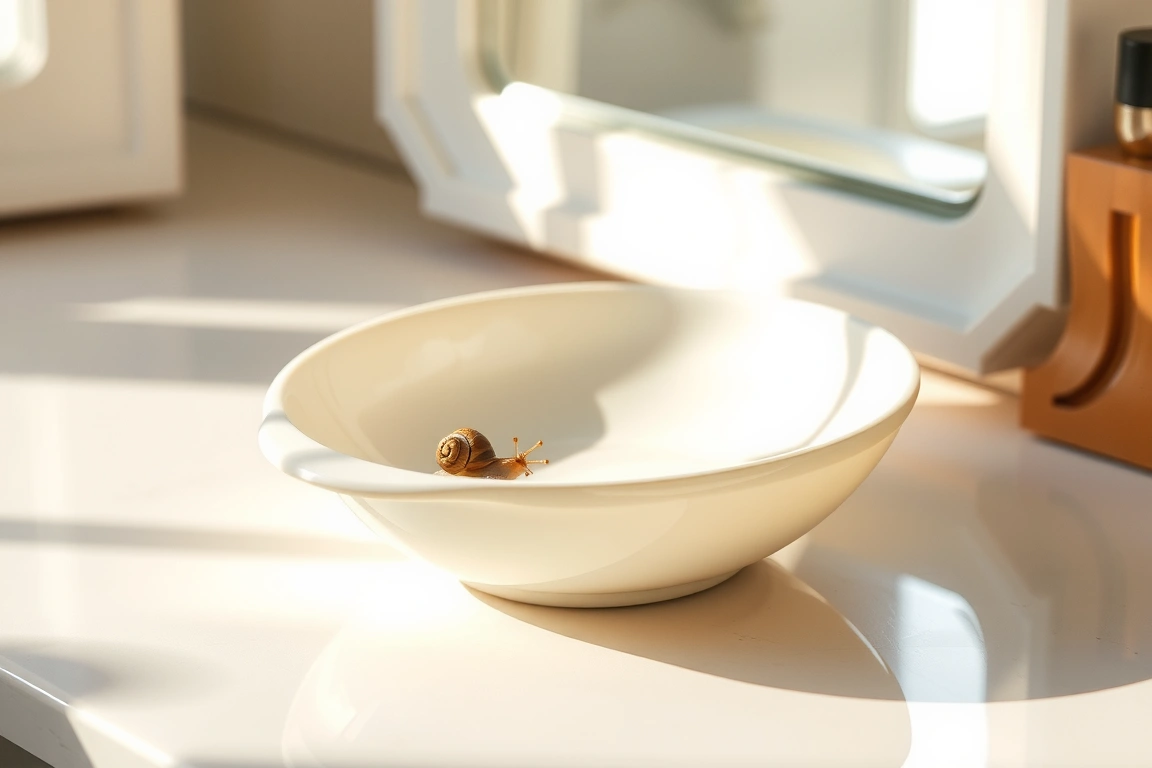
COSRX Advanced Snail 96 Mucin Power Essence ($18 for 100ml) is frequently highlighted for barrier repair, with many users reporting visible softening of dry, flaky patches within about 10 days of consistent use. The key is the glycoprotein concentration—COSRX uses 96% mucin filtrate. Cheaper knockoffs often dilute it with water and thickeners, dropping effectiveness. Look for a percentage on the label or at least “first ingredient” status.
Who should use it: Anyone with compromised skin barrier, post-acne marks, or dehydration. It’s not for oily, clog-prone skin on its own—the texture can feel tacky. If you’re acne-prone, pair it with a lightweight gel moisturizer, not a cream.
Can I skip snail mucin?
Yes, if you’re vegan, allergic to dust mites (cross-reactivity is real—about 5% of people with dust mite allergies react to snail mucin), or your skin hates sticky textures. Alternatives: beta-glucan (same hydrating repair, zero stickiness) or propolis (antibacterial + healing).
Alternatives: beta-glucan (same hydrating repair, zero stickiness) or propolis (antibacterial + healing).
Centella Asiatica: The Anti-Inflammatory That Actually Calms
Centella asiatica, or gotu kola, isn’t just a soothing ingredient. It’s a wound-healing herb used in traditional medicine for burns and cuts. The active compounds—asiaticoside, madecassic acid, and asiatic acid—stimulate collagen production and reduce inflammation at a cellular level. This isn’t “calming” in the marketing sense. It’s clinically documented.
The best formulations use a high concentration of cica extract (often 10-30%) or the purified compound madecassoside. Comparing La Roche-Posay Cicaplast Baume B5 ($16 for 40ml) with Purito Centella Unscented Serum ($14 for 60ml) highlights the texture difference: the Purito is lighter, absorbs quickly, and works better under makeup, while the La Roche-Posay is thicker and better suited for overnight repair on irritated skin. Both work, but for daily use on normal-to-oily skin, the Purito wins on texture.
Who should use it: Anyone with redness, rosacea, acne inflammation, or post-procedure skin. It’s the safest ingredient to introduce when your barrier is compromised. Avoid if you have an allergy to celery or carrots—centella is in the Apiaceae family.
Can I skip centella?
Yes, if your skin isn’t reactive or inflamed. Alternatives: green tea extract (antioxidant + anti-inflammatory, but less wound-healing), or chamomile (milder, better for sensitive skin that reacts to centella’s slight tingling).
Niacinamide: The Multitasker That Earns Its Hype
Niacinamide, a form of vitamin B3, is the most researched of the three. It does five things: strengthens the skin barrier (by increasing ceramide production), regulates oil production, reduces pore appearance, fades hyperpigmentation, and improves skin texture. At 4% to 5% concentration, it’s effective without irritation. Above 10%, you’re risking flushing and breakouts—a known issue with The Ordinary’s 10% Niacinamide + Zinc ($6), which sits at the higher end of the concentration range.
A standout in this range is the Skin1004 Madagascar Centella Tone Brightening Capsule Ampoule ($16 for 30ml), which combines 5% niacinamide with centella extract. That’s the sweet spot—effective for brightening without the sting. For pure niacinamide, Good Molecules Niacinamide Brightening Toner ($14 for 120ml) uses 5% plus licorice root, a combination associated with noticeable fading of post-acne marks over roughly six weeks of twice-daily use.
Who should use it: Almost everyone. It’s safe for all skin types, including pregnancy. The only exception: if you’re using prescription retinoids or strong acids, introduce niacinamide slowly to avoid flushing.
Can I skip niacinamide?
Only if you’re sensitive to it (about 3-5% of people get redness or breakouts). Alternatives: azelaic acid (for redness + pigmentation), alpha arbutin (for hyperpigmentation only), or vitamin C (for brightening, but less barrier support).
How to Layer Snail Mucin, Centella, and Niacinamide Together
You can use all three in one routine, but order matters. The rule: thinnest to thickest. Here’s the recommended sequence for maximum absorption without pilling:
- Cleanser (pH-balanced, like COSRX Low pH Good Morning Gel Cleanser, $10)
- Niacinamide toner or serum (thinnest liquid—applied to damp skin)
- Centella serum or essence (slightly thicker—wait 30 seconds)
- Snail mucin essence (stickiest—apply last before moisturizer)
- Moisturizer (seals everything in)
If you’re using a centella cream (like Dr. Jart+ Cicapair Tiger Grass Cream, $48), apply it as your moisturizer step, not before snail mucin. The cream’s oils will block the snail mucin from penetrating.
Morning vs. Night: In the AM, use only niacinamide + centella (lighter, no stickiness under SPF). Save snail mucin for PM unless you’re okay with a tacky finish. Snail mucin under sunscreen is prone to pilling with mineral SPFs, so it’s worth testing with your specific sunscreen before committing.
Snail mucin under sunscreen is prone to pilling with mineral SPFs, so it’s worth testing with your specific sunscreen before committing.
Budget Tiers: What to Buy at Each Price Point
You don’t need to spend $50 per ingredient. Here’s what works at three price levels:

| Ingredient | Essential ($5-$12) | Better ($12-$25) | Best ($25-$50) |
|---|---|---|---|
| Snail Mucin | Mizon Snail Recovery Gel Cream ($6, 45ml) | COSRX Advanced Snail 96 Mucin Power Essence ($18, 100ml) | Missha Time Revolution Night Repair Ampoule ($32, 50ml) |
| Centella | Skin1004 Madagascar Centella Asiatica Ampoule ($10, 30ml) | Purito Centella Unscented Serum ($14, 60ml) | Dr. Jart+ Cicapair Tiger Grass Serum ($48, 30ml) |
| Niacinamide | The Ordinary Niacinamide 10% + Zinc 1% ($6, 30ml) | Good Molecules Niacinamide Brightening Toner ($14, 120ml) | Paula’s Choice 10% Niacinamide Booster ($44, 20ml) |
My pick for best value: The Purito Centella Unscented Serum + COSRX Snail Mucin + Good Molecules Niacinamide Toner. Total: $46 for three products that last 2-3 months each. That’s a complete ingredient stack for the price of one department store serum.
Patch Testing and Introducing: The 14-Day Rule
A common mistake is starting all three at once. Skin can break out in tiny whiteheads, and it becomes impossible to tell which ingredient caused it. Don’t do that. Introduce one ingredient at a time, waiting 7-14 days before adding the next.
Patch test protocol: Apply a pea-sized amount to the inside of your forearm or behind your ear. Wait 24 hours. If no redness, itching, or bumps, apply to a 2-inch patch on your jawline for 3 days. If that’s clear, use it on your full face.
Order of introduction for beginners: Start with niacinamide (lowest risk of irritation). After 10 days, add centella. After another 10 days, add snail mucin. This way, if you react, you know exactly what did it. Reactions to snail mucin can show up within less than a week, which is exactly why introducing ingredients one at a time matters.
Realistic timeline for results: Niacinamide: 4-6 weeks for pore appearance and oil control, 8-12 weeks for pigmentation. Centella: 2-4 weeks for redness reduction. Snail mucin: 3-4 weeks for texture improvement, 6-8 weeks for barrier repair. Anyone promising “overnight” results is selling hope, not science.
When These Ingredients Don’t Work (And What to Use Instead)
This is the part most articles skip. Snail mucin, centella, and niacinamide aren’t universal. Here are three scenarios where you should swap them out:
- If you have fungal acne (Malassezia): Snail mucin can feed the yeast because of its glycoprotein content. Use centella + niacinamide instead, or switch to squalane for hydration.
- If you’re on tretinoin and experiencing peeling: Snail mucin + centella are great, but niacinamide at 10% can sting. Drop to 2-4% niacinamide or use a formulation with soothing ingredients like panthenol.
- If you have very oily skin that clogs easily: Snail mucin’s texture can feel heavy. Use a centella toner (like Isntree Green Tea Fresh Toner, $14) and skip snail mucin entirely. Niacinamide at 5% will manage oil better than 10%.
Snail mucin isn’t anti-inflammatory—it’s reparative. For active rosacea or other inflammation, centella is the safer choice, since snail mucin can aggravate redness in reactive skin.
Small changes, real momentum
Get practical guides and templates you’ll actually use — a few thoughtful emails a month.
Frequently Asked Questions
Can I use snail mucin, centella, and niacinamide in the same routine?
Yes, but order matters. Apply niacinamide first (thinnest), then centella serum, then snail mucin (thickest). Wait 30 seconds between each layer to prevent pilling. If your skin feels sticky after snail mucin, mix it with a drop of moisturizer before applying. Avoid using all three if you’re on a strong retinoid—your skin might get overwhelmed. Instead, use centella in the morning and snail mucin at night, with niacinamide in either routine.
Which ingredient is best for hyperpigmentation?
Niacinamide is the most effective of the three for pigmentation, specifically at 4-5% concentration. It works by inhibiting melanosome transfer—basically stopping pigment from reaching the skin’s surface. Snail mucin helps with post-acne marks indirectly by speeding up cell turnover, but it’s not a primary brightener. Centella has mild brightening effects from its asiatic acid, but it’s not strong enough for stubborn spots. For maximum pigmentation results, add vitamin C (L-ascorbic acid) in the morning and niacinamide at night—just don’t layer them together without a buffer.
How long does it take to see results from these ingredients?
Snail mucin shows surface hydration improvements in 1-2 weeks, but barrier repair takes 4-6 weeks. Centella reduces redness in 2-4 weeks if used consistently twice daily. Niacinamide for oil control shows in 2-3 weeks, but pigmentation fading requires 8-12 weeks of daily use. These are general estimates, and individual results vary based on skin type, concentration, and frequency. If you see no change after 12 weeks, the formulation might be too weak or your skin doesn’t respond to that ingredient.
The Bottom Line: Pick One, Master It, Then Stack
Snail mucin, centella, and niacinamide are not magic. They’re tools. If you’re starting from zero, buy the Good Molecules Niacinamide Toner ($14) and use it for a month. See if your pores look smaller and your skin feels smoother. Then add the Purito Centella Serum ($14) for redness. Then add the COSRX Snail Mucin ($18) for texture. Three products, $46 total, and you’ll know exactly what each does for your skin. That’s the K-beauty philosophy: build slowly, observe honestly, and don’t chase trends. Your skin will tell you what works—if you listen.
Related from our network
- Night Shift Schedule Templates Free Download 2026 For Better Sleep (nightshifttales)
- Mechanical Contractors in Abu Dhabi (charginggearlab)
- 7 Smart Home Experts Share Their Top Connected Ecosystem Picks for 2025 (theconnectedhaven)