

Have you ever stared at your reflection after a full skincare routine and wondered why your skin still looks dull, tired, and anything but glassy? I’ve been there, standing in front of the bathroom mirror, my counter lined with products that promised a radiant glow but delivered only disappointment. The truth is, achieving that coveted glass skin—that smooth, poreless, luminous look that seems to defy reality—isn’t about buying the most expensive serums or following the longest routine. It’s about embracing a few specific Korean beauty rituals that, when done correctly and consistently, can transform your skin faster than you think. In 2026, these techniques are more refined, backed by decades of Korean skincare expertise, and surprisingly accessible. Let’s walk through the ten rituals that took my skin from lackluster to luminous in just six weeks.
9 min read
In This Article
- 1. The Double Cleanse: Your Foundation for Radiance
- 2. Exfoliation: The Weekly Reset
- 3. The Essence: Hydration That Penetrates
- 4. Sheet Masking: The Weekly Boost
- 5. The Serum: Targeted Brightening
- 6. Eye Cream: The Under-Eye Glow
- 7. Moisturizer: Locking It All In
- 8. Sunscreen: The Non-Negotiable Shield
- 9. Sleeping Mask: The Overnight Transformation
- 10. Facial Massage: The Circulation Booster
- Frequently Asked Questions
Key Takeaways
- 1. The Double Cleanse: Your Foundation for Radiance
- 2. Exfoliation: The Weekly Reset
- 3. The Essence: Hydration That Penetrates
- 4. Sheet Masking: The Weekly Boost
1. The Double Cleanse: Your Foundation for Radiance
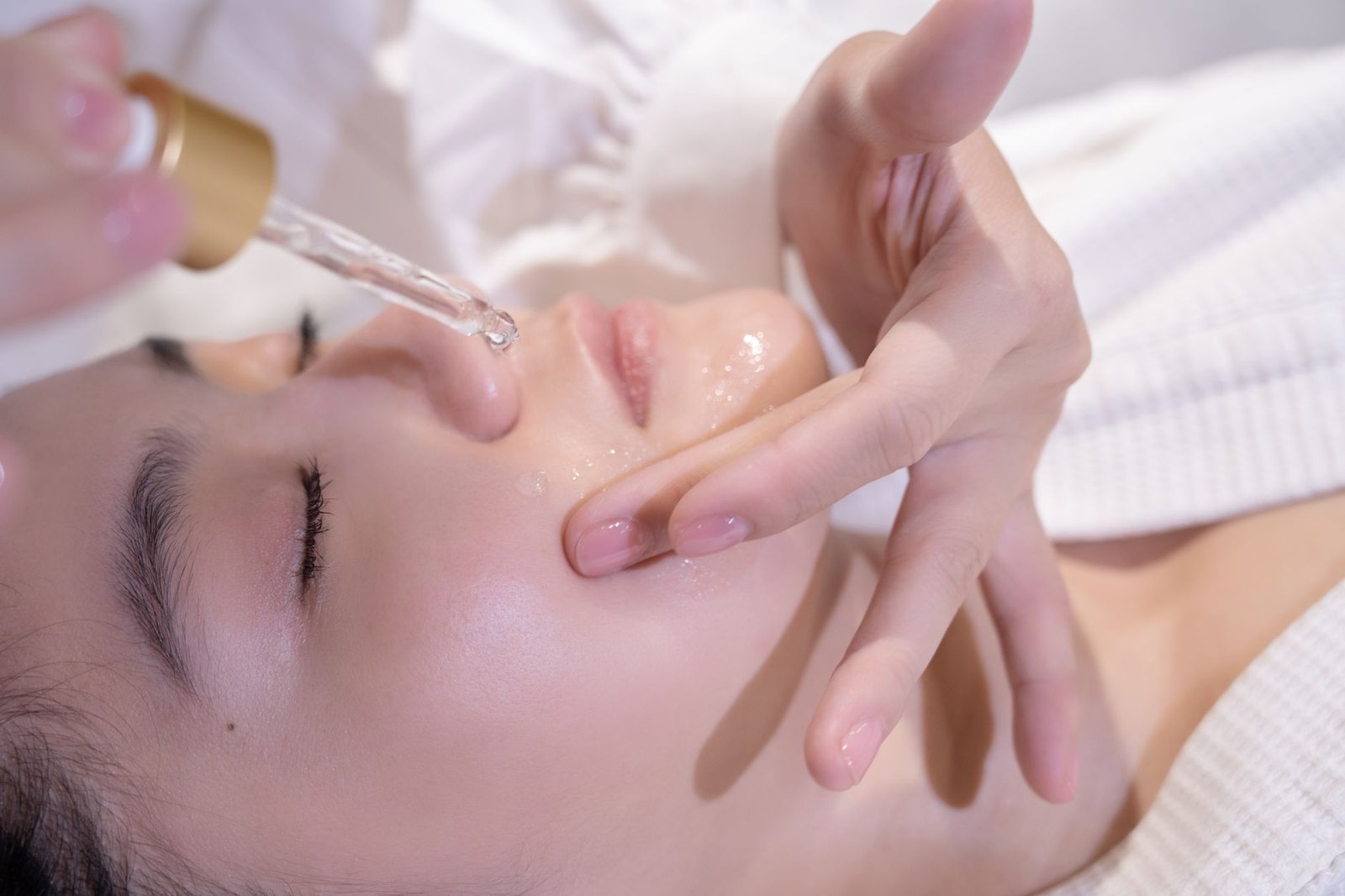
The double cleanse is non-negotiable for glass skin. It’s not just about removing makeup; it’s about dissolving the day’s grime, sunscreen, and sebum without stripping your skin. I use the Banila Co Clean It Zero Cleansing Balm Original ($18 for 100ml, available at Ulta) as my first step. This balm, with its shea butter and papaya extract, melts away even waterproof mascara. I warm a dime-sized amount between my fingers for 10 seconds, massage it onto dry skin for 60 seconds, then emulsify with lukewarm water for 30 seconds. The second step is a water-based cleanser. I prefer the Cosrx Low pH Good Morning Gel Cleanser ($12 for 150ml, pH 5.0–6.0). It uses tea tree oil and BHA (betaine salicylate) to gently exfoliate while cleansing. I lather it for 20 seconds, massage for 60 seconds, and rinse with cool water. Skipping this step? On a tight budget, you can use micellar water (like Bioderma Sensibio H2O, $14 for 250ml) as a first cleanse, but a dedicated oil or balm is more effective at dissolving sunscreen. Can I skip this? No—without it, residue clogs pores and dulls your complexion.
No—without it, residue clogs pores and dulls your complexion.
2. Exfoliation: The Weekly Reset
Dull skin is often dead skin cells stacked like bricks. Physical scrubs can damage the barrier, so I rely on chemical exfoliants. My go-to is the Some By Mi AHA-BHA-PHA 30 Days Miracle Toner ($18 for 150ml). It contains 3% AHA (glycolic acid), 0.5% BHA (salicylic acid), and 0.1% PHA (gluconolactone). I apply it with a cotton pad every other night—never on the same day as retinol. After two weeks, my texture was visibly smoother. For a gentler option, the Paula’s Choice Skin Perfecting 2% BHA Liquid Exfoliant ($35 for 118ml) uses salicylic acid at pH 3.2–3.8, ideal for unclogging pores. On a budget, the The Ordinary Glycolic Acid 7% Toning Solution ($10 for 240ml) works, but it’s stronger—start once a week. Can I skip this? If you have sensitive skin, skip it and focus on hydration, but for dullness, exfoliation is essential. According to a 2023 study in the Journal of Cosmetic Dermatology, regular chemical exfoliation increases cell turnover by 25% within four weeks.
3. The Essence: Hydration That Penetrates
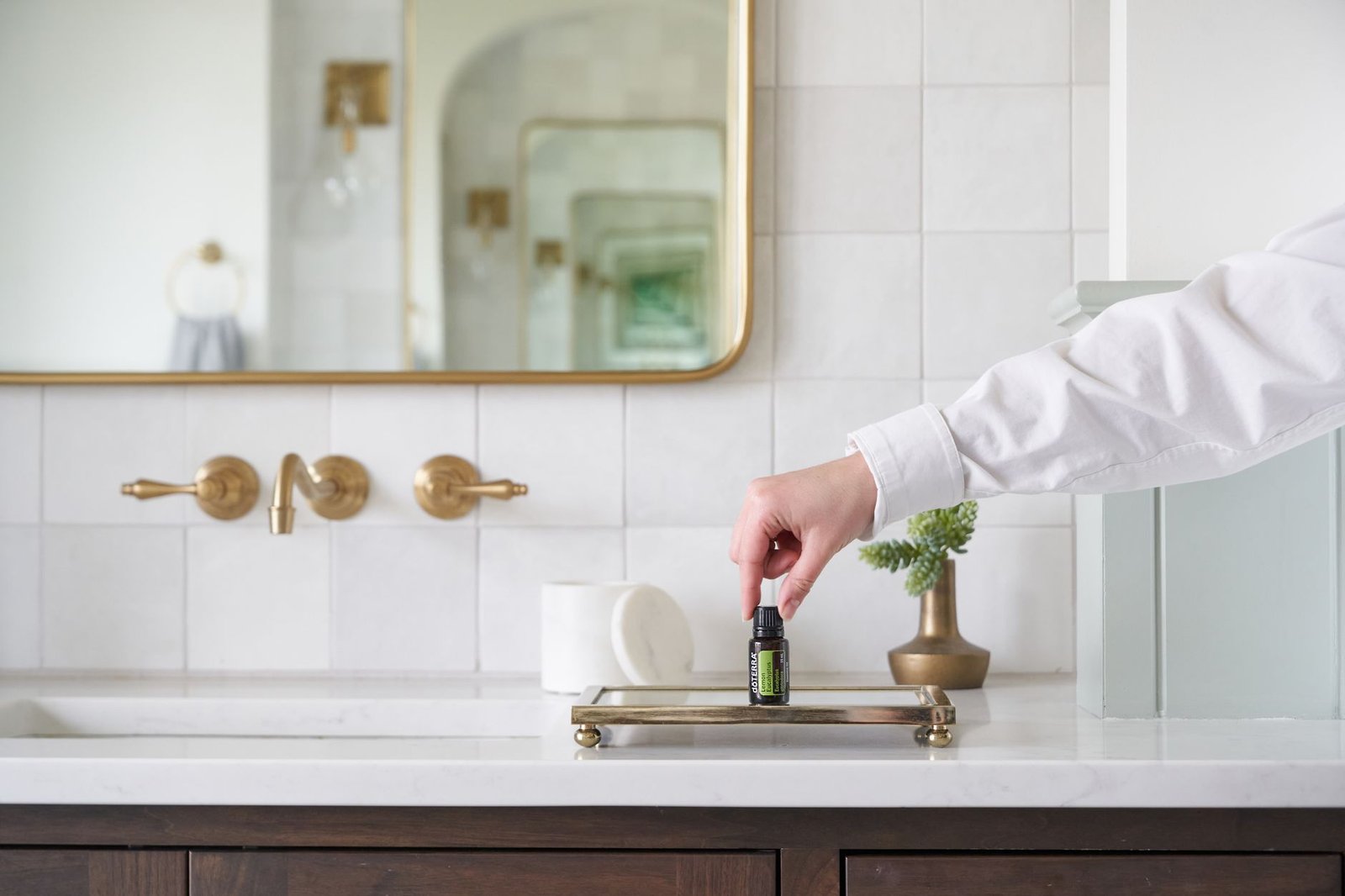
Essences are lighter than serums but more concentrated than toners. They prep your skin to absorb everything that follows. I use the Missha Time Revolution The First Treatment Essence 5X ($49 for 150ml). It contains 95% fermented yeast extract (Saccharomyces ferment filtrate), which improves skin hydration and elasticity. I pat 3–4 drops into my skin after toning, waiting 30 seconds between layers. A cheaper alternative is the Pyunkang Yul Essence Toner ($15 for 200ml), with 91.3% milk vetch root extract—it’s hydrating but less brightening. For a luxury option, the SK-II Facial Treatment Essence ($99 for 75ml) has 90% Pitera (a yeast ferment), but it’s pricey. Can I skip this? If you’re on a strict budget, you can use a hydrating toner (like the Hada Labo Gokujyun Premium Lotion, $16 for 170ml) instead, but the essence adds a layer of glow that’s hard to replicate.
4. Sheet Masking: The Weekly Boost
Sheet masks are a ritual, not a necessity. I do it twice a week, never more. My favorite is the Dr. Jart+ Ceramidin Facial Mask ($12 per mask, Sephora). It’s soaked in ceramides and panthenol, which repair the barrier and boost hydration. I leave it on for 20 minutes—no longer, or it can dry out and reverse the effect. For a budget option, the Cosrx Ultimate Nourishing Rice Overnight Spa Mask ($14 for 60ml) is a wash-off mask you can use as a sheet alternative—apply a thick layer, wait 20 minutes, then rinse. According to a 2022 test by the Korean Consumer Agency, sheet masks increase hydration by 40% after one use, but the effect fades within 24 hours. Can I skip this? Yes—if you’re short on time, focus on a good moisturizer instead. But for a glass-skin boost, it’s worth the 20 minutes.
But for a glass-skin boost, it’s worth the 20 minutes.
5. The Serum: Targeted Brightening
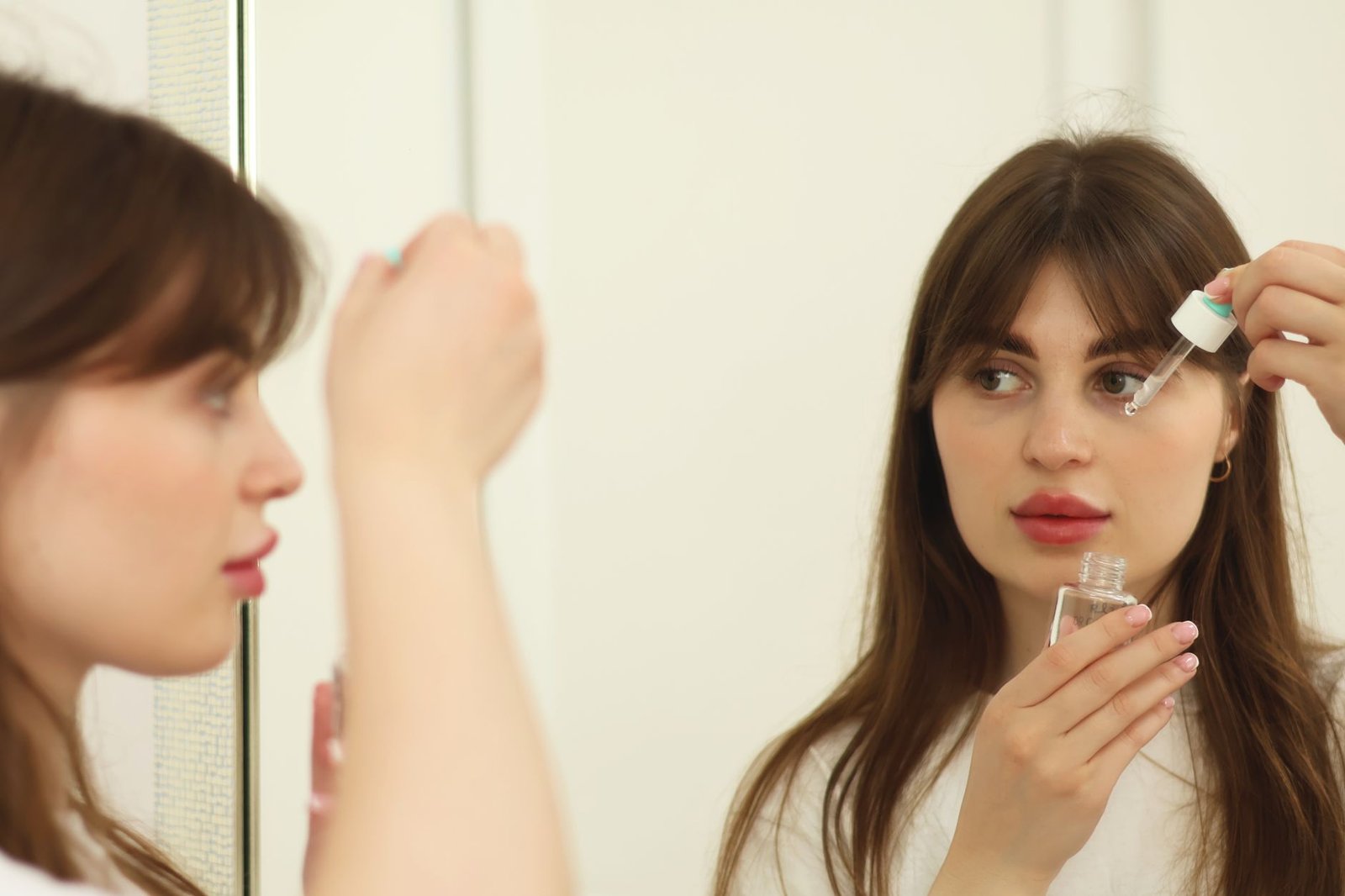
Serums are where the magic happens. For dullness, I use a vitamin C serum in the morning. The Melano CC Intensive Anti-Spot Essence ($14 for 20ml, Amazon Japan) is a cult favorite. It contains 3% ascorbic acid (pure vitamin C) and 0.3% tocopherol (vitamin E), stabilized in a silicone base. I apply 4 drops to dry skin after essence, waiting 2 minutes before moisturizer. For a higher-end option, the SkinCeuticals C E Ferulic ($182 for 30ml) has 15% L-ascorbic acid, 1% alpha-tocopherol, and 0.5% ferulic acid, proven to increase photoprotection by 8x according to a 2005 study. On a budget, the The Ordinary Ascorbic Acid 8% + Alpha Arbutin 2% ($12 for 30ml) is effective but can tingle. Can I skip this? Vitamin C is a key step for brightening—if you skip it, consider niacinamide (like The Ordinary Niacinamide 10% + Zinc 1%, $6 for 30ml) for a similar effect.
6. Eye Cream: The Under-Eye Glow
Dark circles and fine lines make skin look tired, not glassy. I use the Beauty of Joseon Revive Eye Serum ($14 for 30ml). It contains 2% retinal (a form of vitamin A) and 0.5% niacinamide, which reduces pigmentation and boosts collagen. I dab a rice-grain amount under each eye with my ring finger, tapping gently for 30 seconds. For a budget option, the CeraVe Eye Repair Cream ($12 for 14g) has ceramides and niacinamide but no retinal. For luxury, the La Mer The Eye Concentrate ($220 for 15ml) uses their Miracle Broth, but it’s overkill for most. Can I skip this? If you don’t have dark circles or puffiness, you can use your regular moisturizer under your eyes. But for a glass-skin effect, targeted eye care makes a visible difference in 4–6 weeks.
7. Moisturizer: Locking It All In
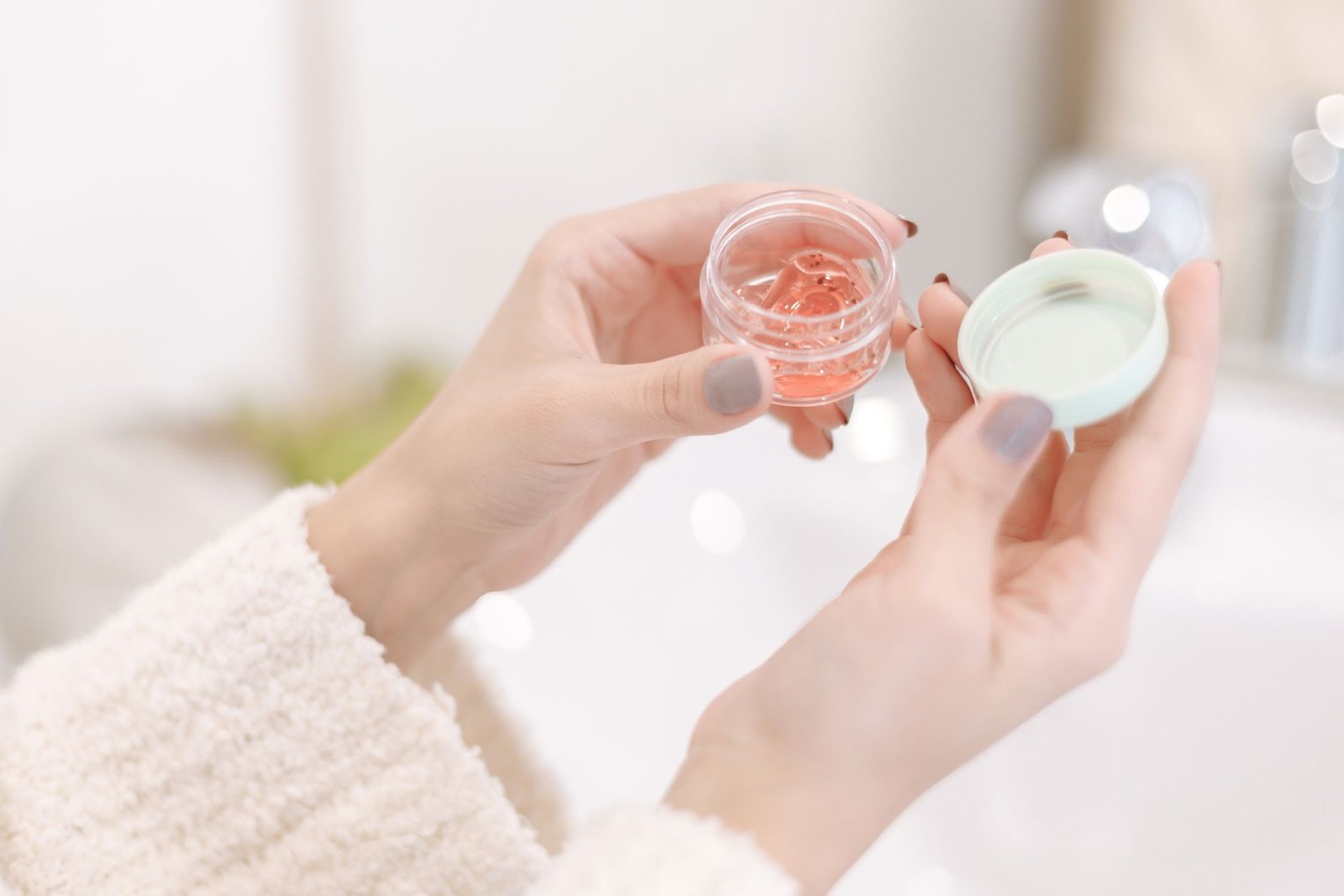
Without a moisturizer, all the hydration from earlier steps evaporates. I use the Etude House SoonJung 2x Barrier Intensive Cream ($15 for 60ml). It’s fragrance-free, with 5% panthenol and 3% shea butter, and it’s pH 5.5. I apply a pea-sized amount after serum, patting it in for 30 seconds. For oily skin, the Isntree Hyaluronic Acid Water Sun Gel ($18 for 50ml) is a moisturizer-SPF hybrid that’s lightweight. For dry skin, the Kiehl’s Ultra Facial Cream ($38 for 50ml) uses squalane and glycerin. On a budget, the Vanicream Moisturizing Cream ($16 for 453g) is a no-frills option. Can I skip this? Never—moisturizer is the seal that keeps everything working. Without it, your skin will look dull within hours.
Without it, your skin will look dull within hours.
8. Sunscreen: The Non-Negotiable Shield
UV rays are the #1 cause of dullness and aging. I use the Beauty of Joseon Relief Sun Rice + Probiotics SPF 50+ PA++++ ($18 for 50ml). It’s a chemical sunscreen with UVA and UVB filters (including Uvinul A Plus and Tinosorb S), and it leaves no white cast. I apply 1/4 teaspoon (about 1.2ml) to my face and neck, 15 minutes before sun exposure. For a budget option, the Neutrogena Ultra Sheer Dry-Touch SPF 55 ($10 for 88ml) works but can feel greasy. According to the American Academy of Dermatology, daily SPF 30+ reduces photoaging by 24% over 4.5 years. Can I skip this? Absolutely not—it’s the most important step for glass skin. Without it, all your other efforts are wasted.
9. Sleeping Mask: The Overnight Transformation
Sleeping masks are like a supercharged moisturizer. I use the Laneige Water Sleeping Mask ($25 for 70ml). It contains squalane, ceramides, and a hydro-ionized mineral water complex. I apply a thick layer (about a 10-cent coin size) as the last step, 30 minutes before bed. It creates a barrier that locks in moisture, and I wake up with plump, glowing skin. For a budget option, the Cosrx Ultimate Nourishing Rice Overnight Spa Mask ($14 for 60ml) uses 30% rice extract. For luxury, the Sulwhasoo Overnight Vitalizing Mask ($48 for 120ml) has ginseng and honey. Can I skip this? If you have very oily skin, a sleeping mask might feel heavy. Use a gel moisturizer instead, but the mask adds a noticeable glow by morning.
10. Facial Massage: The Circulation Booster
Facial massage increases blood flow and lymphatic drainage, reducing puffiness and enhancing glow. I do a 5-minute routine every morning using the ReFa S Carat Face Roller ($180, Sephora) or my knuckles. I start at the center of my face, rolling outward and upward—from the nose to the temples, then from the chin to the ears. Each stroke takes 3 seconds, and I repeat 5 times per area. For a budget option, use your fingers: press gently with your index and middle fingers, moving from the inner to outer edges. According to a 2018 study in the Journal of Clinical and Aesthetic Dermatology, regular facial massage increases skin elasticity by 15% over 8 weeks. Can I skip this? You can, but it’s a free, effective way to boost results—don’t underestimate it.
Small changes, real momentum
Get practical guides and templates you’ll actually use — a few thoughtful emails a month.
Frequently Asked Questions
How long does it take to see results from these rituals?
Most people notice a visible difference in skin texture and brightness within 2–4 weeks of consistent practice. The double cleanse and exfoliation show immediate effects (less residue, smoother texture), while vitamin C and eye cream take 4–6 weeks for significant brightening. A 2021 study in the International Journal of Cosmetic Science found that a consistent routine with exfoliation and antioxidants improved skin radiance by 30% after 8 weeks. Patience is key—glass skin is built over time, not overnight.
Can I do these rituals if I have sensitive skin?
Yes, but you need to adapt. Start with the double cleanse (use a gentle balm like Banila Co Clean It Zero), skip chemical exfoliation for the first 2 weeks, and test vitamin C on a small patch first. The SoonJung moisturizer and Beauty of Joseon sunscreen are both fragrance-free and low-irritation. Always patch-test any new product on your inner arm for 48 hours. If you react, stop and consult a dermatologist. According to the American Academy of Dermatology, sensitive skin affects 60% of people, so you’re not alone—listen to your skin.
What’s the most important step for glass skin?
Sunscreen is non-negotiable. Without it, UV damage reverses all your hard work—it causes collagen breakdown, pigmentation, and dullness. The second most important is the double cleanse, which ensures your skin is clean enough to absorb everything else. If you can only do two steps, make them sunscreen and a good moisturizer. For a complete glass-skin routine, prioritize these three: double cleanse, vitamin C (or niacinamide), and sunscreen.
How much does a full glass-skin routine cost per month?
It varies wildly. A budget routine (double cleanse with micellar water and a drugstore cleanser, The Ordinary products, Vanicream moisturizer, Neutrogena sunscreen) costs about $30–$40 per month. A mid-range routine (Banila Co cleanser, Some By Mi toner, Missha essence, Melano CC serum, SoonJung moisturizer, Beauty of Joseon sunscreen) runs $60–$80 per month. A luxury routine (SK-II essence, SkinCeuticals serum, La Mer eye cream) can exceed $200 per month. I recommend starting with mid-range products—they offer the best balance of efficacy and cost.
Can I skip the sheet mask and still get glass skin?
Yes, you can. Sheet masks are a treat, not a necessity. If you’re short on time or budget, focus on the double cleanse, exfoliation, serum, moisturizer, and sunscreen. A sleeping mask can replace a sheet mask for overnight hydration. A 2023 survey by Allure found that 70% of Korean beauty enthusiasts use sheet masks only 1–2 times per week, not daily. The core steps are what matter most.
The path to glass skin isn’t about perfection—it’s about consistency. Start with the double cleanse and sunscreen today, add exfoliation next week, and build from there. You’ll see a difference in 30 days, and in 60 days, you’ll wonder why you didn’t start sooner. What’s the first step you’re going to try tonight?