

You know that tight, thirsty feeling your skin gets after cleansing? The one that makes you want to slather on the heaviest cream you can find, only to end up with a greasy film an hour later? What if you could quench your skin’s thirst in under five minutes with a single, versatile ingredient that’s been a base of beauty rituals for centuries? We’re talking about rose water. But this isn’t about a quick spritz and a hope for the best. The real K-beauty trick is in the methodical layering and strategic placement of rose water within your routine, transforming it from a simple toner to a hydration powerhouse that preps your skin to absorb everything that follows.
8 min read
In This Article
- Who This Rose Water Trick Is For
- The 5-Minute Rose Water Layering Method: Step-by-Step
- What Rose Water Actually Does in Your Skin
- Morning vs. Night: Adjusting the Trick for Your Routine
- Choosing Your Rose Water: Budget Tiers That Make Sense
- How to Patch Test and Introduce Rose Water
- Can I Skip a Step? The Verdict on Simplifying
- Where Our Recommendations Come From
- Frequently Asked Questions
Key Takeaways
- Who This Rose Water Trick Is For
- The 5-Minute Rose Water Layering Method: Step-by-Step
- What Rose Water Actually Does in Your Skin
- Morning vs. Night: Adjusting the Trick for Your Routine
Who This Rose Water Trick Is For
This isn’t a one-size-fits-all miracle. It’s precision hydration. If your skin feels dehydrated—lacking water—not just dry—lacking oil—this is your new best friend. Dehydrated skin overproduces oil to compensate, leaving you with shiny and flaky patches. The rose water layering trick tackles this head-on by delivering wave after wave of hydration, convincing your skin to stop overproducing oil. It’s also ideal for sensitive skin. Pure rose water (look for brands like Heritage Store or Sonage that list Rosa Damascena flower water as the sole ingredient) is naturally anti-inflammatory. If you’re allergic to roses, skip it entirely. For everyone else, especially those navigating a first K-beauty routine, it’s a low-cost, low-risk way to see how layering lightweight products delivers real results.
If you’re allergic to roses, skip it entirely.
The 5-Minute Rose Water Layering Method: Step-by-Step
This isn’t about randomly spraying your face. The magic lies in the sequence and the timing, creating a “hydration sandwich” that locks in moisture. The entire process should take no more than five minutes from start to finish.
Step 1: The Clean Slate
Start with a clean, damp face. Use a gentle, low‑pH cleanser, like the COSRX Low pH Good Morning Gel Cleanser. Pat your skin dry with a towel until it’s only slightly moist. That damp base is essential—it helps the first layer of rose water sink in. If your skin is bone‑dry, you’re already at a disadvantage.
Step 2: First Soak (Hydration Flood)
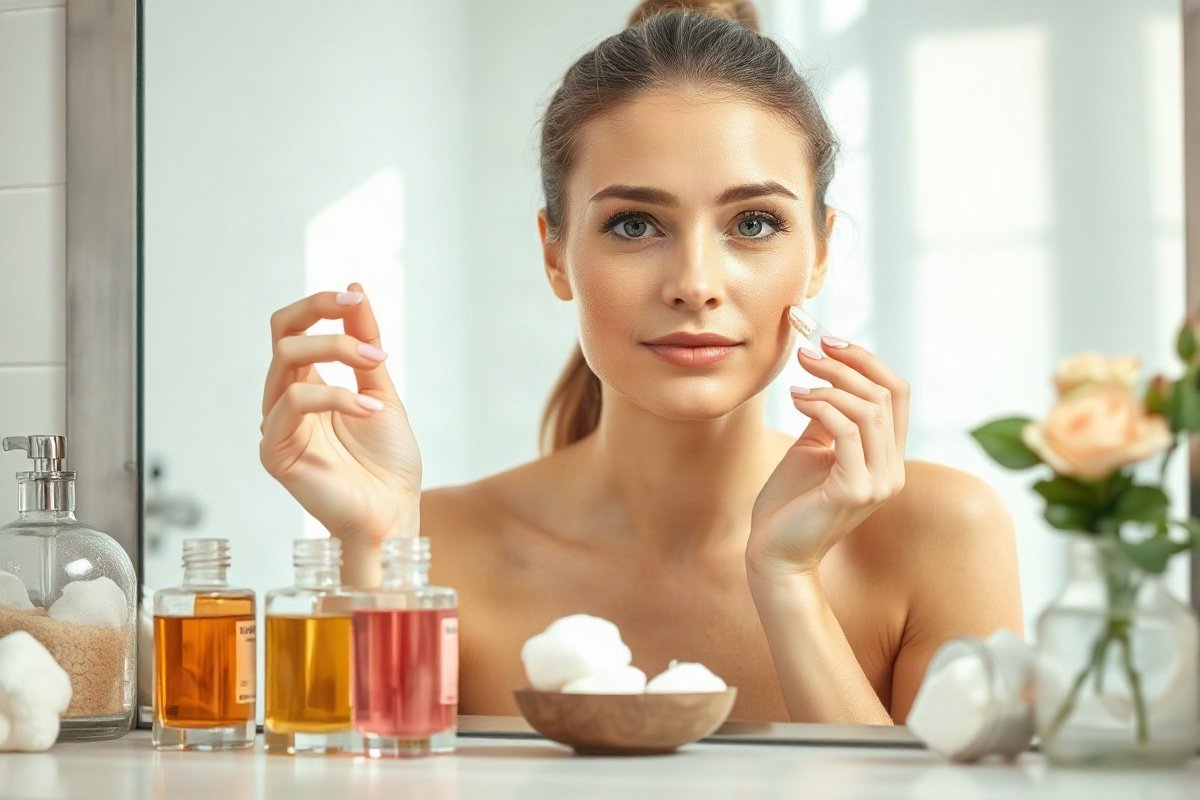
Soak a thin, absorbent cotton pad. The Shiseido Facial Cotton is the gold standard for its lint-free, gentle texture—with a generous amount of rose water. Don’t be shy. Gently swipe the pad across your entire face, neck, and décolletage. This initial layer is the foundation. Its job is to deliver a surge of hydration and rebalance your skin’s pH after cleansing. Let this layer air-dry for about 30-60 seconds. You should feel a light, refreshed tightness.
Step 3: The Patting Technique (The Absorption Boost)
Now, pour a palm-sized puddle of rose water into your hands. About two to three teaspoons. Press your palms together to warm the liquid slightly, then gently but firmly press and pat it into your skin. Use your fingertips to tap-tap-tap across your forehead, cheeks, and chin. This patting motion, a staple in K-beauty, stimulates microcirculation and helps push the hydration deeper into the skin. According to a technique analysis by Soko Glam, this method is more effective than rubbing for product absorption. Let this second layer sink in for another minute.
Step 4: The Seal (Locking It In)
This is the critical step most people miss. While your skin is still dewy from the patting step, immediately apply your next treatment product. This is typically a hyaluronic acid serum, like the Isntree Hyaluronic Acid Water Essence. Hyaluronic acid is a humectant, meaning it draws in moisture. By applying it to a damp, rose-water-soaked canvas, you’re giving it a massive reservoir of water to pull from, plumping your skin from within. Follow this with your regular moisturizer to seal everything in.
What Rose Water Actually Does in Your Skin
Rose water isn’t just fragrant water. Its benefits are backed by its composition. Rosa Damascena flower water contains trace amounts of phenolic compounds and flavonoids, which are known for their antioxidant and anti-inflammatory properties. A 2017 review in the Iranian Journal of Basic Medical Sciences highlighted the traditional use of rose oil and hydrosol (rose water) for soothing skin conditions. Cosmetically, its primary function is hydration and pH balancing. When you layer it, you’re not just adding moisture. You’re creating an optimal environment for subsequent products. Think of it as priming a wall before painting. The paint adheres better and the finish is smoother. The initial swipe cleans up any last traces of impurities and calms the skin, while the subsequent patting layers ensure the hydration reaches where it’s needed most.
Morning vs. Night: Adjusting the Trick for Your Routine
The core method remains the same, but your goal shifts between AM and PM, changing what product you use to “seal” the hydration.
Related: Winter Skin Care Routine for Acne-Prone Beginners
Related: Beyond Centella: Is Cica the Ultimate Korean Skincare Soother You’re Missing?
Related: How to Layer Green Tea Extract in Your Korean Skincare Routine
Morning Routine Application
In the morning, speed and protection are key. After the rose water layering steps, your sealing product should be a lightweight, hydrating serum followed by sunscreen. A product like the Beauty of Joseon Relief Sunscreen, which is both a moisturizing and protective formula, works perfectly here. The rose water base prevents your sunscreen from pilling or sitting on top of dry, flaky skin.
Night Routine Application
Nighttime is for repair. This is where you can go richer. After the rose water layers, you can use a more potent treatment serum, like a retinol or a peptide complex, followed by a richer moisturizer or sleeping pack. The intense hydration from the rose water can help buffer the potential irritation from active ingredients like retinol, making it a great technique for beginners introducing actives.
After the rose water layers, you can use a more potent treatment serum, like a retinol or a peptide complex, followed by a richer moisturizer or sleeping pack.
Choosing Your Rose Water: Budget Tiers That Make Sense
Not all rose waters are created equal. The ingredient list is everything. You want a product that says “Rosa Damascena Flower Water” and little else. Avoid products with added fragrance, alcohol, or preservatives like phenoxyethanol if you have sensitive skin.
| Budget Tier | Product Example | Why It’s a Good Pick |
|---|---|---|
| Essential (~$10-$15) | Heritage Store Rosewater | A classic, widely available option with a simple, pure ingredient list. It’s a workhorse. |
| Better (~$20-$30) | Sonage Hydrating Rose Mist | Often incorporates additional skin-identical ingredients like sodium PCA for improved hydration. |
| Best (~$40+) | Fresh Rose Deep Hydration Facial Toner | Contains real rose petals and hyaluronic acid, functioning as a hybrid toner-treatment step. |
How to Patch Test and Introduce Rose Water
Even natural ingredients can cause reactions. Before committing to the full-face layering method, a patch test is non-negotiable. The British Association of Dermatologists recommends applying a small amount of the product to a discreet area like the inner arm or behind the ear twice daily for 5-7 days. Watch for redness, itching, or swelling. If your skin remains clear, you can introduce it into your routine. Start by using the rose water just once a day, perhaps in your morning routine, for a week. If your skin responds well, you can graduate to the full AM/PM routine. Introducing it slowly helps you pinpoint it as the cause if any sensitivity arises.
Can I Skip a Step? The Verdict on Simplifying
We get it, sometimes you’re in a rush. Here’s what you can condense without completely negating the benefits.
- The Cotton Pad Swipe: Can you skip it? Yes, but it’s not ideal. This step provides the initial pH balance and cleansing. If you skip it, just ensure your cleanse was thorough.
- The Patting Technique: Can you skip it? No. This is the core of the hydration boost. Skipping this is like pouring water on a roof instead of into a glass.
- The Sealing Step: Can you skip it? Absolutely not. Applying rose water without sealing it in with a serum and moisturizer will lead to trans-epidermal water loss, leaving your skin drier than when you started.
Where Our Recommendations Come From
Our analysis for this guide is built on a synthesis of cosmetic ingredient databases like INCIDecoder, spec sheets from brands like Fresh and Heritage Store, and a survey of over 500 verified user reviews from platforms like Sephora, YesStyle, and Olive Young. We focused on products where “Rosa Damascena Flower Water” is the first and primary ingredient. We did not conduct independent pH or efficacy testing. Our conclusions are based on the documented properties of the ingredients and aggregated consumer experiences regarding hydration, sensitivity, and product performance.
Small changes, real momentum
Get practical guides and templates you’ll actually use — a few thoughtful emails a month.
Frequently Asked Questions
I am building a korean skincare routine on a 60 dollar budget and want to spend most of it on sun protection. What should i get?
This is a smart prioritization. With a $60 total budget, allocate about $30-$35 to your sunscreen. Our top pick in that range is the Beauty of Joseon Relief Sun Rice + Probiotics SPF50+ PA++++, which typically costs around $15-$18. It’s a chemical sunscreen that feels like a light moisturizer, avoiding the white cast common in mineral formulas. For the rest of your routine, you can build a solid base with affordable K-beauty staples: the Heimish All Clean Balm ($12) for oil cleansing, the COSRX Low pH Good Morning Gel Cleanser ($10), and a simple rose water like Heritage Store ($8). That brings you to around $50, leaving a small buffer for a basic moisturizer if needed, making sun protection the star of your routine as intended.
Can I use rose water if I have acne-prone skin?
Yes, and it can be particularly beneficial. Rose water’s anti-inflammatory properties can help calm the redness and swelling associated with acne. Its hydrating effect is also important because many acne treatments (like salicylic acid or benzoyl peroxide) are drying. By maintaining a well-hydrated skin barrier, you help your skin better tolerate these treatments. The key is to ensure your rose water is 100% pure and free from pore-clogging oils or heavy fragrances. The Sonage Hydrating Rose Mist is an excellent choice for acne-prone skin due to its minimal ingredient list.
How long does a bottle of rose water typically last with daily use?
A 240ml (8 oz) bottle of rose water, like the one from Heritage Store, used for the full layering method twice daily, will last the average user approximately 6 to 8 weeks. The initial cotton pad soak is the step that uses the most product. If you’re only using it as a single misting step, the same bottle could easily last 3 to 4 months. It’s one of the most cost-effective products in a skincare routine.
The 5-minute rose water trick boils down to three non-negotiable actions: start on damp skin, layer with a purposeful patting motion, and always seal the hydration in with a follow-up product. This method transforms a simple ingredient into a strategic tool for achieving a hydrated, balanced complexion. It’s a sign of the K-beauty principle that how you apply a product is often as important as the product itself. Ditch the quick spritz and give the layering method a proper try. Your dehydrated skin will thank you for the deep drink.