

A beginner Korean skincare routine only needs five steps: cleanse, tone, treat, moisturize, and protect with SPF. That is it. The 10-step routine you have seen on social media is an advanced, years-later version of this, built one layer at a time — not something you start with. This guide walks through the order, the wait times between layers, how much product to use, and which real products (with prices) work for oily, dry, combination, and sensitive skin.
Disclosure: This post contains affiliate links. If you click through and make a purchase, we may earn a small commission at no extra cost to you. Thank you for supporting this site!
Key takeaways
- The core beginner routine is five steps: cleanse, tone, treat, moisturize, SPF. Double cleansing at night still counts as one “cleanse” step.
- Pick one active ingredient to start (niacinamide, centella, or a low-strength BHA) — not three. Layering multiple actives in week one is the fastest way to irritate your skin.
- Actives take 8 to 12 weeks of consistent use before you can judge whether they work. Nothing in this routine produces results in a week.
- Purging (short-term breakouts in your usual trouble spots from a new active) is different from a genuine breakout (new spots in new places, often from a product that does not suit you). Confusing the two makes people quit products that were about to work.
- Patch-test every new product on your inner arm for 48 hours before it touches your face. This is not optional, especially with acids and retinoids.
- Cystic acne, rosacea flares, or anything that needs a prescription is a dermatologist conversation, not a routine tweak.
The 5-Step Routine, In Order
This is the backbone of any simple Korean skincare routine. Each step has one job. Do them in this order because water-thin products go on before thicker ones, and actives need clean, slightly damp skin to absorb properly.
Step 1: Cleanse
Morning: one water-based cleanser is enough, since you are just removing overnight sweat and product residue. Use about a dime-size amount, massage for 30 seconds, rinse with lukewarm water.
Night: double cleanse. First an oil or balm cleanser to dissolve sunscreen and makeup — Banila Co Clean It Zero Cleansing Balm (100ml, around $22) is the reference product most people have heard of. Follow with a low-pH water-based cleanser like COSRX Low pH Good Morning Gel Cleanser (150ml, around $11) to remove the oily residue and anything the first cleanse missed. If your skin feels tight and squeaky after cleansing, the cleanser’s pH is too high — Korean cleansers are formulated around pH 5-6 specifically to avoid that.
Budget alternative: Simple Micellar Cleansing Water ($9) for makeup removal, followed by Cerave Hydrating Facial Cleanser ($14) as the second wash. Not Korean, but the pH-balanced, non-stripping logic is the same, and price matters more than country of origin here.
Step 2: Tone
Korean toners are not the astringent, alcohol-based toners from the 1990s. They are hydrating first passes that rebalance skin pH after cleansing and prep it to absorb the next layer. Pour 3-4 drops into your palms or a cotton pad and press into damp skin — do not rub.
Try Isntree Hyaluronic Acid Toner (200ml, around $19) for plain hydration, or Torriden Dive-In Low Molecule Hyaluronic Acid Toner (200ml, around $17) as a near-identical budget option. Wait about 30 seconds for it to sink in before the next step.
Step 3: Treat (your one active)
This is the step people overload. Pick one serum built around one active ingredient and give it two months before adding anything else. Use 2-3 drops, pat in with your palms, wait 1-2 minutes.
- Snail mucin for general hydration and repair: COSRX Advanced Snail 96 Mucin Power Essence (100ml, around $18). Not for anyone with a snail or land-mollusk allergy, which is rare but real.
- Centella asiatica (cica) for redness and a compromised barrier: Purito Centella Green Level Buffer Serum (60ml, around $21). Not a substitute for treating active eczema or rosacea — see a dermatologist for those.
- Niacinamide for tone, oil control, and mild texture: COSRX Niacinamide 15 Power Serum (20ml, around $18), or The Ordinary Niacinamide 10% + Zinc 1% ($6) as the budget pick. Not for people who find niacinamide pills them under makeup — try a gel-cream layering order fix, or switch to a lighter formula.
- BHA (salicylic acid) for blackheads and clogged pores: COSRX BHA Blackhead Power Liquid (100ml, around $19). Use 3-4 nights a week, not nightly, when starting. Not for dry, sensitive, or already-compromised skin barriers — a BHA on damaged skin will sting and worsen redness.
Step 4: Moisturize
A moisturizer seals in everything underneath it and refills the lipids your cleanser removed. Use a pea-to-nickel size amount depending on how dry your skin runs.
Illiyoon Ceramide Ato Concentrate Cream (200ml, around $16) is a solid, ceramide-heavy option for dry to normal skin. For oily or acne-prone skin, a lighter gel-cream like Torriden Dive-In Low Molecular Hyaluronic Acid Gel Cream (100ml, around $18) avoids the heavy, occlusive feel. Budget alternative for either skin type: Cerave Moisturizing Cream ($17) for dry skin, or Cerave PM Facial Moisturizing Lotion ($16) for oily skin.
Step 5: Protect (SPF, morning only)
This is the step beginners skip and it undoes the other four. Sunscreen is the only thing standing between you and the hyperpigmentation, texture, and early wrinkles all those serums are trying to prevent. Use about 1/4 teaspoon (roughly 1.2ml) for the face alone, reapply if you are outdoors for hours.
Beauty of Joseon Relief Sun: Rice + Probiotics SPF50+ (50ml, around $17) is the most recommended Korean sunscreen for beginners because it does not leave white cast or feel greasy. Budget alternative: Round Lab Birch Juice Moisturizing Sunscreen (around $15), which is nearly as light. Not for people wanting a mineral-only formula — both of these are chemical sunscreens; if you need mineral, look at Purito Centella Unscented Sun (SPF19-based mineral options are limited in the Korean lineup, so this is the one caveat where a Western mineral sunscreen may serve you better).
Wait Times and Product Amounts, At a Glance
| Step | Amount to use | Wait before next step |
|---|---|---|
| Cleanser | Dime-size (water-based); nickel-size (oil/balm) | None, pat dry |
| Toner | 3-4 drops or 4-5 pumps | ~30 seconds |
| Serum/treatment | 2-3 drops | 1-2 minutes |
| Moisturizer | Pea to nickel-size | 2-3 minutes |
| Sunscreen | 1/4 teaspoon (~1.2ml) for face | 5 minutes before makeup or sun exposure |
If your skin is sweating or pilling between layers, you are either using too much product or not waiting long enough. Slow down before adding more steps.
Build Your Beginner Korean Skincare Routine by Skin Type
Oily and acne-prone skin
Skip heavy oil cleansers unless you wear full-coverage makeup or sunscreen daily — a gentle foaming or gel cleanser both morning and night may be enough. Choose a gel-cream moisturizer over a rich cream, and make BHA your one active if breakouts and blackheads are the main concern. Not for you: thick, ceramide-dense creams like Illiyoon’s — they can feel suffocating and contribute to a shiny midday face.
Dry and dehydrated skin
Double cleanse even in the morning if your skin feels stripped by a single wash — or skip morning cleansing entirely and just splash with water, which is common practice in Korean routines for dry skin types. Lead with snail mucin or hyaluronic acid as your active, and use a ceramide cream, not a gel. Not for you: daily BHA use — dry skin barriers do not tolerate frequent acid exfoliation well and it will show up as flaking and redness.
Combination skin
Multi-mask logic works here: gel-cream moisturizer overall, with a slightly heavier cream dabbed only on dry cheeks or around the mouth if needed. Niacinamide is the most forgiving all-purpose active for combination skin because it addresses oil control and tone at once. Not for you: alternating three different moisturizers by zone in week one — start with one product and adjust only if it clearly is not working after a few weeks.
Sensitive and reactive skin
Fragrance-free, minimal-ingredient products first. Centella is the standard starting active because it is calming rather than exfoliating or brightening. Introduce one product at a time, with at least a week between additions, so you can tell what caused any reaction. Not for you: BHA, AHA, retinoids, or vitamin C as a starting point — those come later, if at all, and only with a dermatologist’s input if you have diagnosed rosacea or eczema.
Build Your Routine by Concern
Acne and clogged pores
BHA (salicylic acid) 3-4 nights a week is the standard Korean approach, paired with a light, non-comedogenic moisturizer. Give it 8-12 weeks. If you have deep, painful, cystic acne rather than blackheads and small breakouts, this routine is not enough — that needs a dermatologist, possibly with a prescription retinoid or oral medication.
Dullness and uneven tone
Niacinamide is the workhorse here, and consistent SPF is what actually prevents new dark spots from forming while the niacinamide fades old ones. Vitamin C is a common addition once you are past the beginner stage, but do not start with vitamin C and niacinamide and a BHA all at once — pick one.
Redness and a damaged barrier
Strip your routine down to cleanser, centella serum, moisturizer, and sunscreen only, and drop any actives for two to four weeks. Snail mucin and centella together are the two ingredients Korean skincare relies on most for barrier repair. If redness is persistent, symmetric across both cheeks, and comes with visible blood vessels, that pattern points toward rosacea, which needs a dermatologist rather than a serum.
Dehydration (tight, flaky, but not necessarily dry-skin-type)
Hyaluronic acid toner plus snail mucin essence plus a humectant-rich moisturizer is the standard stack. Apply toner and serum to slightly damp skin, not bone-dry skin, since humectants pull moisture from whatever is nearby — damp skin gives them something to grab onto.
Budget vs Mid-Range Picks for the Whole Routine
| Step | Mid-range pick | Price | Budget pick | Price |
|---|---|---|---|---|
| Oil cleanser | Banila Co Clean It Zero | $22 | Simple Micellar Water | $9 |
| Water-based cleanser | COSRX Low pH Good Morning Gel Cleanser | $11 | Cerave Hydrating Facial Cleanser | $14 |
| Toner | Isntree Hyaluronic Acid Toner | $19 | Torriden Dive-In Toner | $17 |
| Active serum | COSRX Niacinamide 15 Power Serum | $18 | The Ordinary Niacinamide 10%+Zinc | $6 |
| Moisturizer | Illiyoon Ceramide Ato Cream | $16 | Cerave Moisturizing Cream | $17 |
| Sunscreen | Beauty of Joseon Relief Sun SPF50+ | $17 | Round Lab Birch Juice Sunscreen | $15 |
A full mid-range set runs around $103 and lasts most people two to four months per bottle, depending on the step. There is no version of this routine that requires spending more than that to see results — expensive is not the same as effective.
Patch Testing Is Not Optional
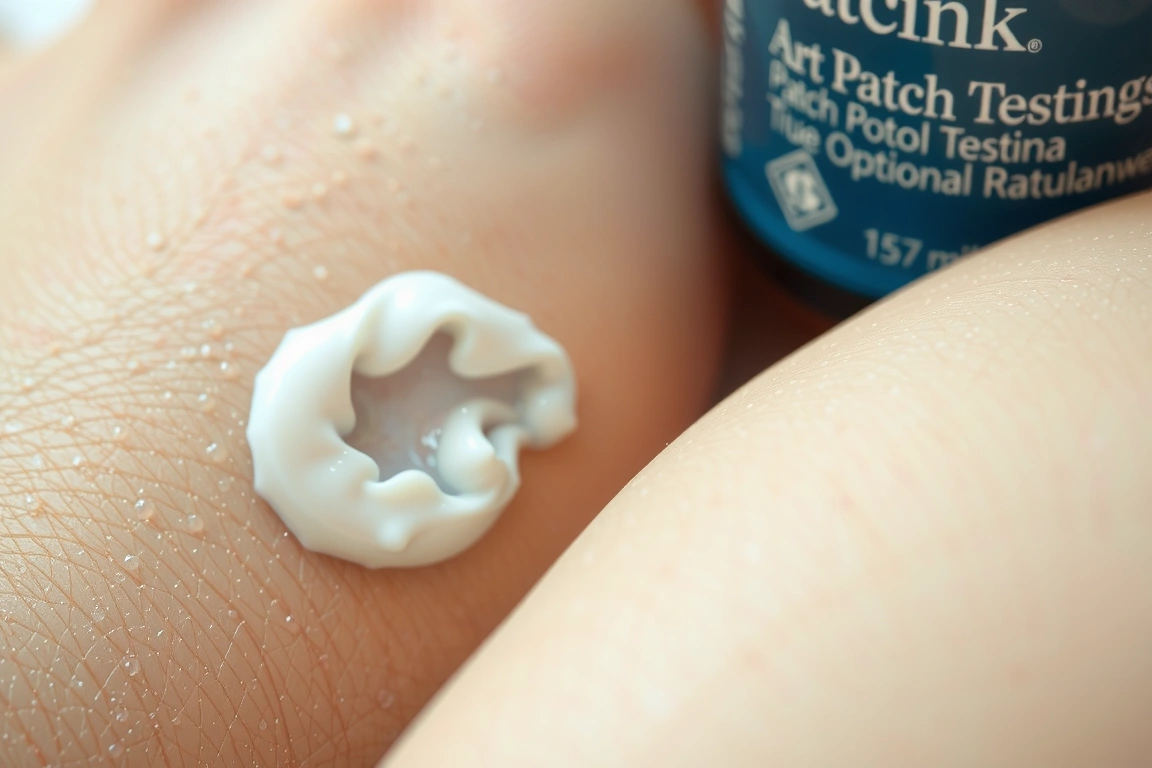
Before any new product touches your face, apply a small amount to your inner forearm and leave it for 48 hours. Check for redness, itching, or bumps. This matters most for anything with an acid, retinoid, or fragrance, but it costs you nothing to do it for every product, including the gentle-sounding ones. Skipping this step because a product is popular online is how people end up with a reaction spread across their whole face instead of contained on a two-inch patch of arm.
Purging Is Not the Same as Breaking Out
Purging happens when an active ingredient — usually a BHA, AHA, retinoid, or vitamin C — speeds up cell turnover and brings existing, invisible clogs to the surface faster than they would have appeared naturally. It shows up in your usual breakout zones, tends to resolve within four to six weeks, and generally involves smaller, faster-healing bumps.
A genuine breakout from a product that does not suit you shows up in new areas you do not normally break out in, does not follow that four-to-six-week improvement curve, and often comes with itching or a different bump texture. If you are past six weeks and things are still getting worse, stop the product — that is not purging anymore.
How Long Before You See Results
Hydration-focused steps (toner, snail mucin, moisturizer) can make skin look better within days simply because you are less dehydrated. Actives that change texture, tone, or acne — niacinamide, BHA, vitamin C — need 8 to 12 weeks of consistent use before you have enough evidence to judge them. Anyone promising
[…] Korean Skincare Routine for Beginners: Start With These 5 Steps […]